

Parenting from a Distance
Parenting From A Distance: Supporting your child while they study in the UK
Sending your child overseas to study at a UK boarding school is a decision filled with excitement, pride and opportunity. It gives young people the chance to receive an excellent education, experience a new culture and develop independence. However, for many overseas parents, one of the biggest challenges is learning how to continue being a supportive parent when your child is thousands of miles away.
Parenting from a distance requires a different approach. You are still very much part of your child’s life, but your role naturally evolves. Instead of managing the everyday details, you become a source of encouragement, guidance and reassurance, helping your child grow into a confident and independent young person.
Understanding the emotional challenges of distance
Even when a child is thriving at a UK boarding school, it is completely normal for overseas parents to experience moments of worry. You may wonder whether your child is eating well, making friends, coping with academic pressure or asking for help when they need it.
These concerns are a natural part of caring for your child. However, it is important to remember that boarding school students are supported by a whole network of people, including teachers, houseparents, pastoral teams and their UK guardian.
One of the most valuable things parents can do is trust the support systems around their child, while maintaining a strong and positive connection from home.
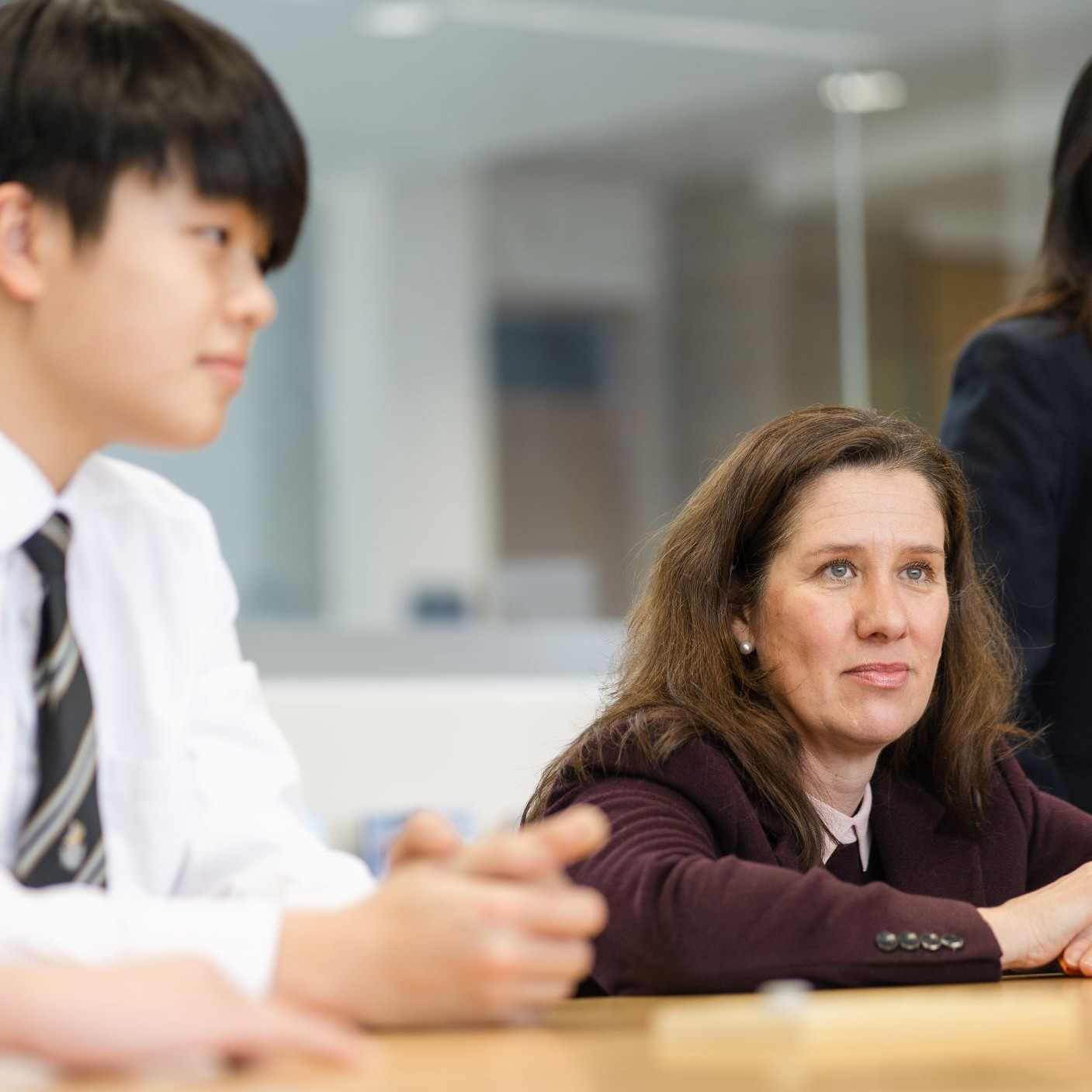
Understanding the emotional challenges of distance
Even when a child is thriving at a UK boarding school, it is completely normal for overseas parents to experience moments of worry. You may wonder whether your child is eating well, making friends, coping with academic pressure or asking for help when they need it.
These concerns are a natural part of caring for your child. However, it is important to remember that boarding school students are supported by a whole network of people, including teachers, houseparents, pastoral teams and their UK guardian.
One of the most valuable things parents can do is trust the support systems around their child, while maintaining a strong and positive connection from home.
Staying connected without becoming over-involved
Technology makes it easier than ever to stay in touch with your child, but finding the right balance is important.
Regular communication helps international students feel connected to home, especially during times when they are missing family or adjusting to a new environment. A video call, a message or sharing photos from everyday life can make a huge difference.
However, it is also important to allow your child the space to build their own life in the UK. If every conversation focuses on whether they are studying enough, what they have eaten or whether everything is going perfectly, they may feel pressure rather than support.
Try to make conversations about more than problems or responsibilities. Ask about:
- What made them laugh that week
- New friendships they are making
- Activities they are enjoying
- Interesting things they have learned
- Experiences they have had in the UK
Showing interest in their new life helps them feel that you are part of their journey, rather than simply checking in on them.

Staying connected without becoming over-involved
Technology makes it easier than ever to stay in touch with your child, but finding the right balance is important.
Regular communication helps international students feel connected to home, especially during times when they are missing family or adjusting to a new environment. A video call, a message or sharing photos from everyday life can make a huge difference.
However, it is also important to allow your child the space to build their own life in the UK. If every conversation focuses on whether they are studying enough, what they have eaten or whether everything is going perfectly, they may feel pressure rather than support.
Try to make conversations about more than problems or responsibilities. Ask about:
- What made them laugh that week
- New friendships they are making
- Activities they are enjoying
- Interesting things they have learned
- Experiences they have had in the UK
Showing interest in their new life helps them feel that you are part of their journey, rather than simply checking in on them.
Supporting independence and resilience
One of the greatest benefits of studying at a UK boarding school is the opportunity for young people to become more independent. They learn how to manage their time, make decisions, solve problems and take responsibility for themselves.
For parents, this can sometimes be difficult. When your child faces a challenge, your instinct may be to step in immediately and solve it. However, allowing them to navigate some challenges independently helps them develop confidence and resilience.
Instead of immediately offering solutions, try asking questions such as:
- “What do you think you could do next?”
- “Who could help you with this?”
- “What options have you considered?”
This encourages your child to think through situations and develop problem-solving skills that will benefit them throughout their life.

Supporting independence and resilience
One of the greatest benefits of studying at a UK boarding school is the opportunity for young people to become more independent. They learn how to manage their time, make decisions, solve problems and take responsibility for themselves.
For parents, this can sometimes be difficult. When your child faces a challenge, your instinct may be to step in immediately and solve it. However, allowing them to navigate some challenges independently helps them develop confidence and resilience.
Instead of immediately offering solutions, try asking questions such as:
- “What do you think you could do next?”
- “Who could help you with this?”
- “What options have you considered?”
This encourages your child to think through situations and develop problem-solving skills that will benefit them throughout their life.
Recognising that difficult moments are normal
Many international students experience periods of homesickness, frustration or uncertainty, particularly during their first term. This does not necessarily mean they are unhappy or that studying overseas was the wrong decision. Adjusting to a new country, education system and culture takes time.
Students may miss familiar food, family traditions, friends from home or the comfort of speaking their first language every day. These feelings often come and go, particularly around important occasions such as birthdays, holidays or family celebrations.
The best support parents can offer is reassurance. Remind your child that adapting takes time and that challenges are part of growing and becoming more independent.

Recognising that difficult moments are normal
Many international students experience periods of homesickness, frustration or uncertainty, particularly during their first term. This does not necessarily mean they are unhappy or that studying overseas was the wrong decision. Adjusting to a new country, education system and culture takes time.
Students may miss familiar food, family traditions, friends from home or the comfort of speaking their first language every day. These feelings often come and go, particularly around important occasions such as birthdays, holidays or family celebrations.
The best support parents can offer is reassurance. Remind your child that adapting takes time and that challenges are part of growing and becoming more independent.
Building a partnership with your child’s support network
For overseas parents, having trusted people in the UK who understand your child and can provide support locally is invaluable.
A professional educational guardian in the UK acts as an important link between parents, schools and students. They provide reassurance when parents cannot be physically present and can offer practical support when needed.
A guardian can help with situations such as school communication, UK travel arrangements, emergencies, wellbeing concerns and providing a familiar point of contact outside school.
For many international families, a UK guardianship organisation provides peace of mind that their child has someone looking out for them while they are far from home.

Building a partnership with your child’s support network
For overseas parents, having trusted people in the UK who understand your child and can provide support locally is invaluable.
A professional educational guardian in the UK acts as an important link between parents, schools and students. They provide reassurance when parents cannot be physically present and can offer practical support when needed.
A guardian can help with situations such as school communication, UK travel arrangements, emergencies, wellbeing concerns and providing a familiar point of contact outside school.
For many international families, a UK guardianship organisation provides peace of mind that their child has someone looking out for them while they are far from home.
Celebrating their journey
Parenting from a distance is not about stepping back – it is about adapting. Your child still needs your encouragement, your love and your belief in them, even if you are no longer involved in the small details of everyday life.
Take time to celebrate their achievements, both big and small. Learning to navigate a new country, making friends, trying new activities and becoming more independent are all significant milestones.
The journey your child is taking is not just about academic success. It is about becoming a confident, capable young adult who can thrive in the world.
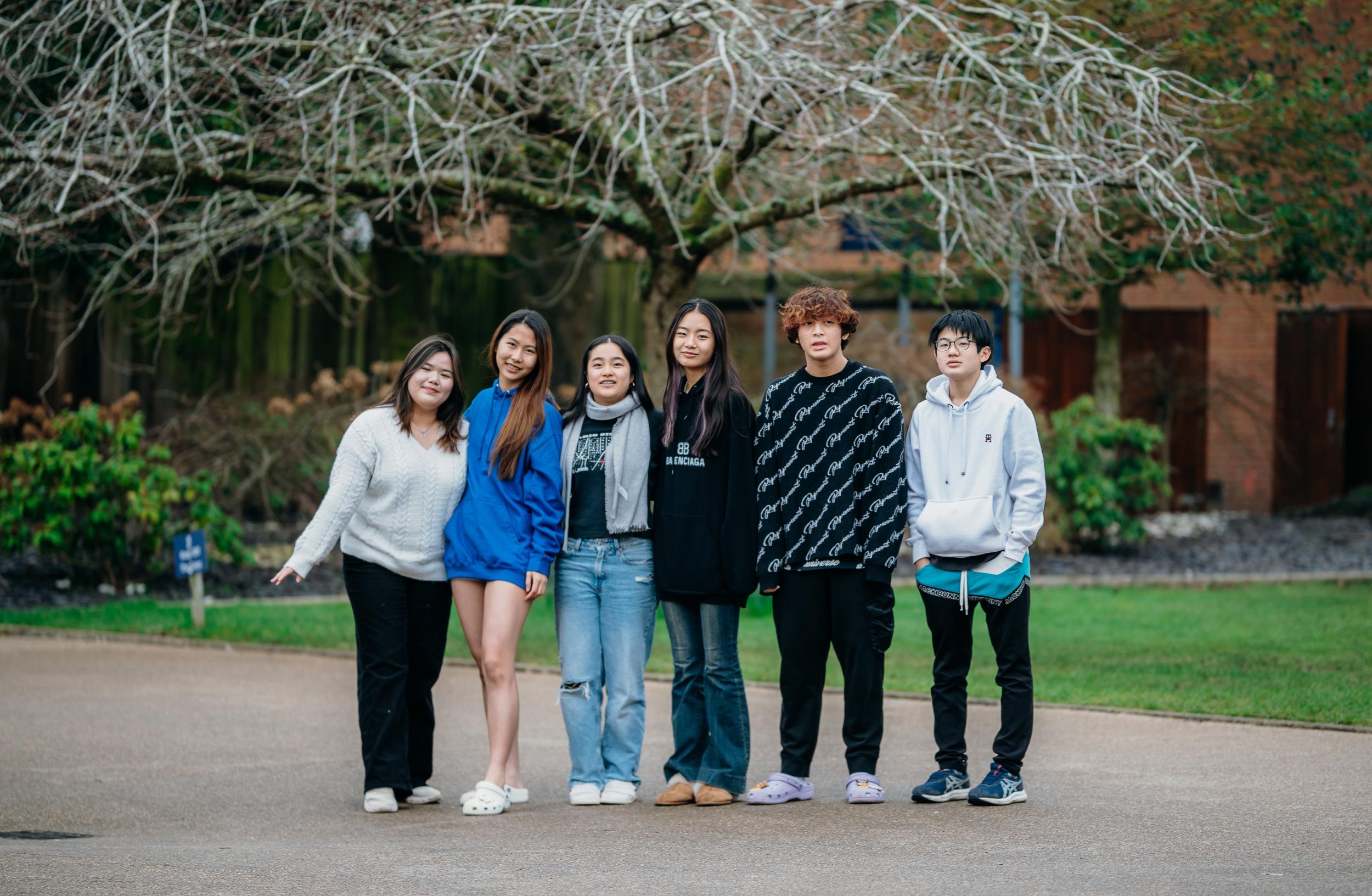
Celebrating their journey
Parenting from a distance is not about stepping back – it is about adapting. Your child still needs your encouragement, your love and your belief in them, even if you are no longer involved in the small details of everyday life.
Take time to celebrate their achievements, both big and small. Learning to navigate a new country, making friends, trying new activities and becoming more independent are all significant milestones.
The journey your child is taking is not just about academic success. It is about becoming a confident, capable young adult who can thrive in the world.
Final thoughts
Sending a child to a UK boarding school is a significant step for any family, and parenting from another country can feel challenging at times. However, distance does not weaken the relationship between parent and child. With trust, communication and the right support network, families can remain closely connected while allowing children the freedom to grow.
For overseas parents, the goal is not to be present for every moment – it is to ensure your child knows that you are always there when they need you.


Managing homesickness and culture shock
Managing homesickness and culture shock
Starting a new life at a UK boarding school is an exciting adventure, but it can also be one of the biggest adjustments a young person will ever experience. For many international students in the UK, the first few weeks are filled with new friendships, unfamiliar routines, different food, a new culture and the challenge of being away from home.
Feeling homesick or experiencing culture shock does not mean that something has gone wrong. In fact, these feelings are completely normal and affect many students, even those who are confident, outgoing and excited about studying abroad.
Whether you are a student beginning your boarding school journey or a parent supporting a child from overseas, understanding these emotions can make the adjustment much easier.
What is homesickness?
Homesickness is the emotional response to being separated from familiar people, places and routines. It can happen during the first few days, after a few weeks, or even later in the term.
Students may miss:
- family and friends
- home-cooked food
- speaking their first language
- familiar routines
- celebrations and traditions
- simply feeling known and understood.
Homesickness can sometimes feel overwhelming, but it is usually temporary. Most students find that the intensity of these feelings gradually decreases as they build new routines and relationships.

What is homesickness?
Homesickness is the emotional response to being separated from familiar people, places and routines. It can happen during the first few days, after a few weeks, or even later in the term.
Students may miss:
- family and friends
- home-cooked food
- speaking their first language
- familiar routines
- celebrations and traditions
- simply feeling known and understood.
Homesickness can sometimes feel overwhelming, but it is usually temporary. Most students find that the intensity of these feelings gradually decreases as they build new routines and relationships.
What is culture shock?
Culture shock for international students is the feeling of disorientation that can occur when adapting to a new country and culture.
In the UK, students may notice differences in:
- humour and social interactions
- school traditions
- meal times and food
- weather
- classroom expectations
- communication styles
- independence and personal responsibility.
At first, everything can feel exciting. Later, the differences may become frustrating or exhausting. This is a normal part of the adjustment process.
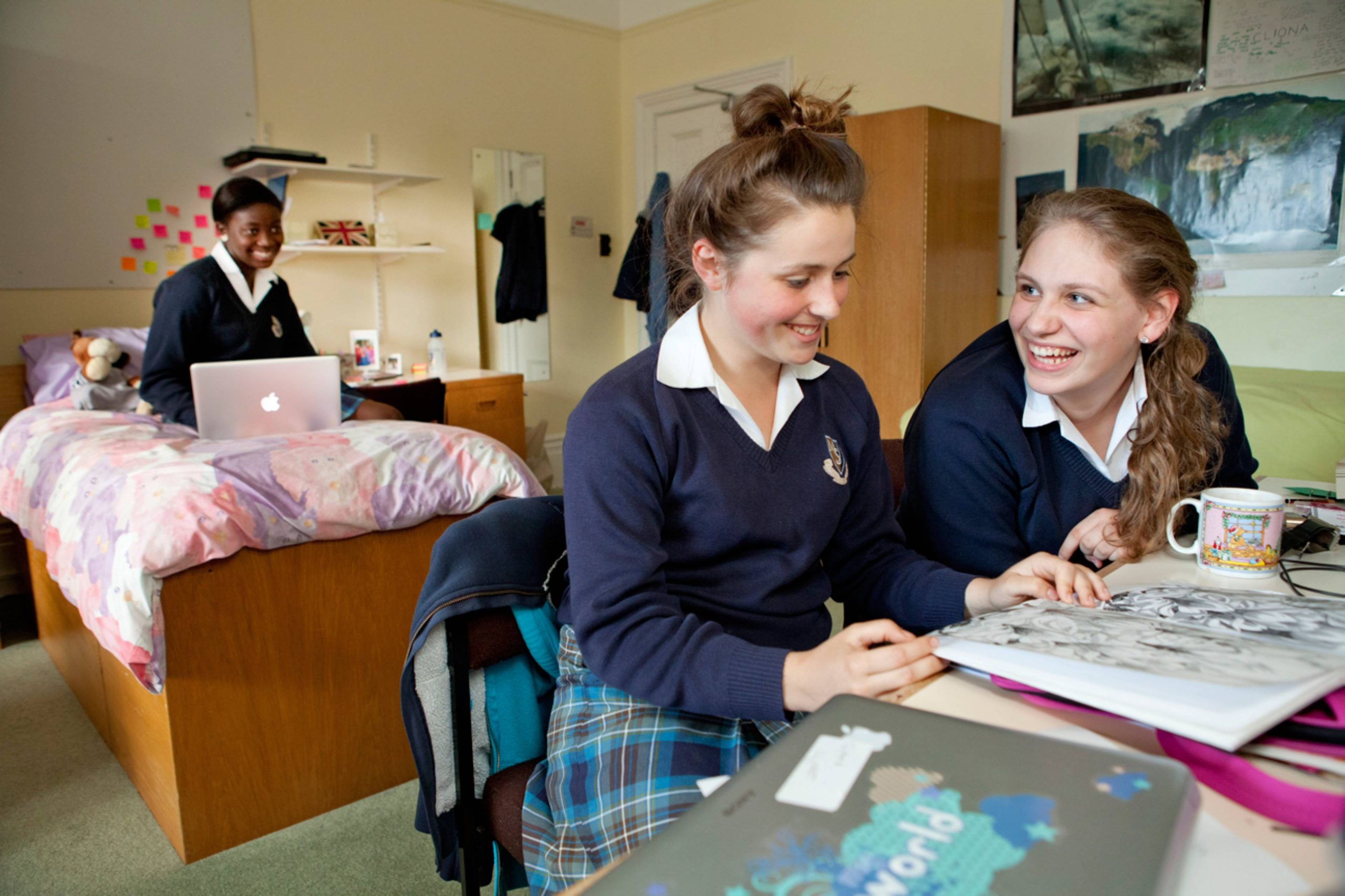
What is culture shock?
Culture shock for international students is the feeling of disorientation that can occur when adapting to a new country and culture.
In the UK, students may notice differences in:
- humour and social interactions
- school traditions
- meal times and food
- weather
- classroom expectations
- communication styles
- independence and personal responsibility.
At first, everything can feel exciting. Later, the differences may become frustrating or exhausting. This is a normal part of the adjustment process.
For students: what you can do
Give yourself time
One of the biggest mistakes students make is expecting to feel settled immediately. Adjusting to a new country takes time. You are not expected to feel at home within a few days.
Try not to compare yourself with other students. Some people appear confident on the outside while privately struggling with the same feelings.
Stay connected, but not constantly
Regular contact with home is important, but spending hours each day messaging family can sometimes make it harder to become involved in your new environment.
A balanced routine of calls and messages allows you to stay connected while still giving yourself the chance to build friendships and become part of boarding school life.
Get involved
The fastest way to reduce homesickness is often to become busy.
Join a sports team, music group, drama production, club or boarding house activity. Shared experiences create natural opportunities for friendship and belonging.
Talk to someone
You do not have to cope alone.
Speak to your houseparent, tutor, guardian, teacher or a trusted friend. Boarding schools are used to supporting international students in the UK, and asking for help is a sign of strength, not weakness.

For students: what you can do
Give yourself time
One of the biggest mistakes students make is expecting to feel settled immediately. Adjusting to a new country takes time. You are not expected to feel at home within a few days.
Try not to compare yourself with other students. Some people appear confident on the outside while privately struggling with the same feelings.
Stay connected, but not constantly
Regular contact with home is important, but spending hours each day messaging family can sometimes make it harder to become involved in your new environment.
A balanced routine of calls and messages allows you to stay connected while still giving yourself the chance to build friendships and become part of boarding school life.
Get involved
The fastest way to reduce homesickness is often to become busy.
Join a sports team, music group, drama production, club or boarding house activity. Shared experiences create natural opportunities for friendship and belonging.
Talk to someone
You do not have to cope alone.
Speak to your houseparent, tutor, guardian, teacher or a trusted friend. Boarding schools are used to supporting international students in the UK, and asking for help is a sign of strength, not weakness.
For parents: how to help
Listen before solving
When your child calls upset, your first instinct may be to fix the problem immediately.
Instead, listen carefully and acknowledge their feelings.
Saying, “It sounds like today has been really difficult,” is often more helpful than immediately suggesting solutions.
Avoid making quick decisions
A difficult phone call during the first few weeks is not necessarily a sign that your child cannot cope.
Homesickness often comes in waves. Many students who desperately want to come home during the second week later become some of the happiest and most successful boarders.
Stay in communication with the school and your child’s guardian before making major decisions.
Encourage independence
It can be tempting to contact your child constantly, but allowing them to solve small problems independently is an important part of their personal growth.
Your confidence in them can become one of their greatest sources of strength.
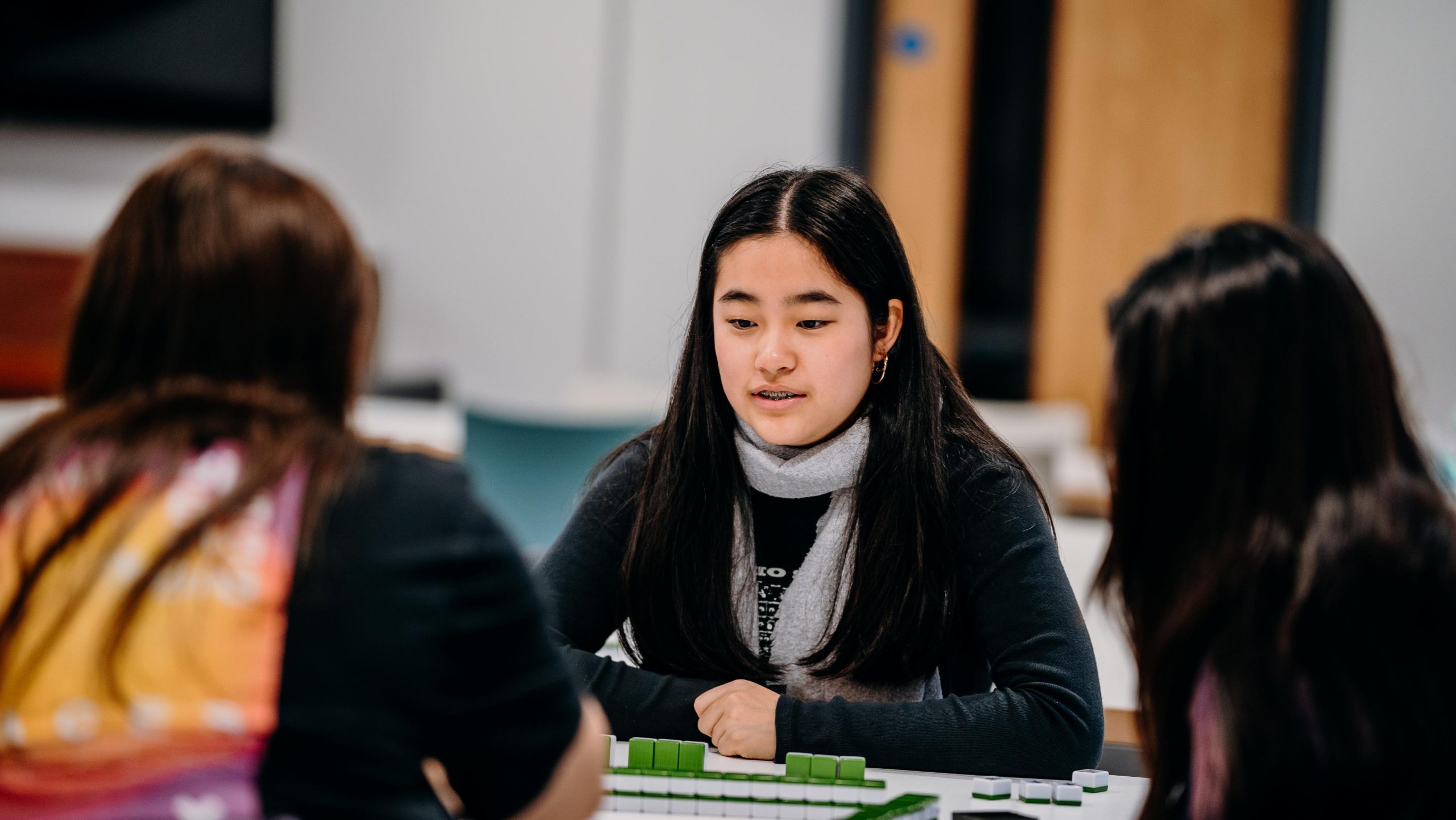
For parents: how to help
Listen before solving
When your child calls upset, your first instinct may be to fix the problem immediately.
Instead, listen carefully and acknowledge their feelings.
Saying, “It sounds like today has been really difficult,” is often more helpful than immediately suggesting solutions.
Avoid making quick decisions
A difficult phone call during the first few weeks is not necessarily a sign that your child cannot cope.
Homesickness often comes in waves. Many students who desperately want to come home during the second week later become some of the happiest and most successful boarders.
Stay in communication with the school and your child’s guardian before making major decisions.
Encourage independence
It can be tempting to contact your child constantly, but allowing them to solve small problems independently is an important part of their personal growth.
Your confidence in them can become one of their greatest sources of strength.
Signs that extra support may be needed
While homesickness is normal, additional support may be helpful if a student is experiencing:
- persistent withdrawal from others
- refusal to attend lessons
- significant changes in eating or sleeping
- ongoing distress that does not improve
- severe anxiety or low mood.
In these situations, parents should work closely with the school and the educational guardian to ensure the student receives appropriate support.
Signs that extra support may be needed
While homesickness is normal, additional support may be helpful if a student is experiencing:
- persistent withdrawal from others
- refusal to attend lessons
- significant changes in eating or sleeping
- ongoing distress that does not improve
- severe anxiety or low mood.
In these situations, parents should work closely with the school and the educational guardian to ensure the student receives appropriate support.
The adjustment curve
Most international students experience a similar pattern. First comes excitement, then a period of challenge, followed by gradual adjustment and increasing confidence. The key is understanding that difficult days are part of the journey, not evidence of failure.
Many students who initially struggle with homesickness at UK boarding school later describe the experience as one of the most important periods of their lives. They develop resilience, independence, cross-cultural understanding and friendships that often last for years.
A message to students
If you are feeling homesick today, remember this: you do not need to feel happy all the time to be doing well. Missing home means that home is important to you. It does not mean that you cannot also build a wonderful life here. Take one day at a time, stay open to new experiences and ask for support when you need it.
And to parents: your child may be growing in ways that are not always visible from a distance. With patience, encouragement and the right support network, most international students not only overcome homesickness and culture shock, they emerge from the experience stronger, more confident and more independent than they ever imagined possible.
The adjustment curve
Most international students experience a similar pattern. First comes excitement, then a period of challenge, followed by gradual adjustment and increasing confidence. The key is understanding that difficult days are part of the journey, not evidence of failure.
Many students who initially struggle with homesickness at UK boarding school later describe the experience as one of the most important periods of their lives. They develop resilience, independence, cross-cultural understanding and friendships that often last for years.
A message to students
If you are feeling homesick today, remember this: you do not need to feel happy all the time to be doing well. Missing home means that home is important to you. It does not mean that you cannot also build a wonderful life here. Take one day at a time, stay open to new experiences and ask for support when you need it.
And to parents: your child may be growing in ways that are not always visible from a distance. With patience, encouragement and the right support network, most international students not only overcome homesickness and culture shock, they emerge from the experience stronger, more confident and more independent than they ever imagined possible.

Meet and Greets 2026
Welcoming new students for a new term
It’s been a lovely start to the term with our Area Managers greeting new students and helping them to settle in at school and connect with their host families. Students are usually accompanied by their families as they arrive in the UK, often for the first time, and it is a wonderful opportunity for everyone to get to know each other. These first moments really matter – a friendly face and a reassuring chat help to build the foundations of trust, comfort, and belonging that make all the difference throughout the school year.
We’re so proud to see everyone settling in so well.
Here we share some photos of excited students and families being greeted for the start of term:

Pippa’s MD Ben and his wife, Louise, were at the Cheltenham College international induction to welcome Riku and our other new students starting there. Riku was without his Mum and Dad, so it was a momentous occasion for him, and Ben and Louise were pleased to be able to support him. Welcome Riku.
Area Manger for Cheltenham, Sarah, then caught up with Riku and another new student, Nasir, to introduce them to their lovely host family. The boys had completed their internation induction, the third form induction, and the first two days of school – phew! Food, sleep and sports were apparently the highlights so far!

Area Manger for Cheltenham, Sarah, then caught up with Riku and another new student, Nasir, to introduce them to their lovely host family. The boys had completed their internation induction, the third form induction, and the first two days of school – phew! Food, sleep and sports were apparently the highlights so far!
It was all smiles for Umar and Islam, joining year 6 at Brighton College Prep Handcross, as Area Manager Anna welcomed them to the UK. The boys are from Uzbekistan, and they brought their parents with them to start their adventure here in the UK.

It was all smiles for Umar and Islam, joining year 6 at Brighton College Prep Handcross, as Area Manager Anna welcomed them to the UK. The boys are from Uzbekistan, and they brought their parents with them to start their adventure here in the UK.
A big welcome to Sofia, who is joining Haileybury sixth form from Italy. Sofia’s Area Manager, Debbie, was pleased to meet her and her family at the lovely Hanbury Manor Marriott Hotel and Country Club.
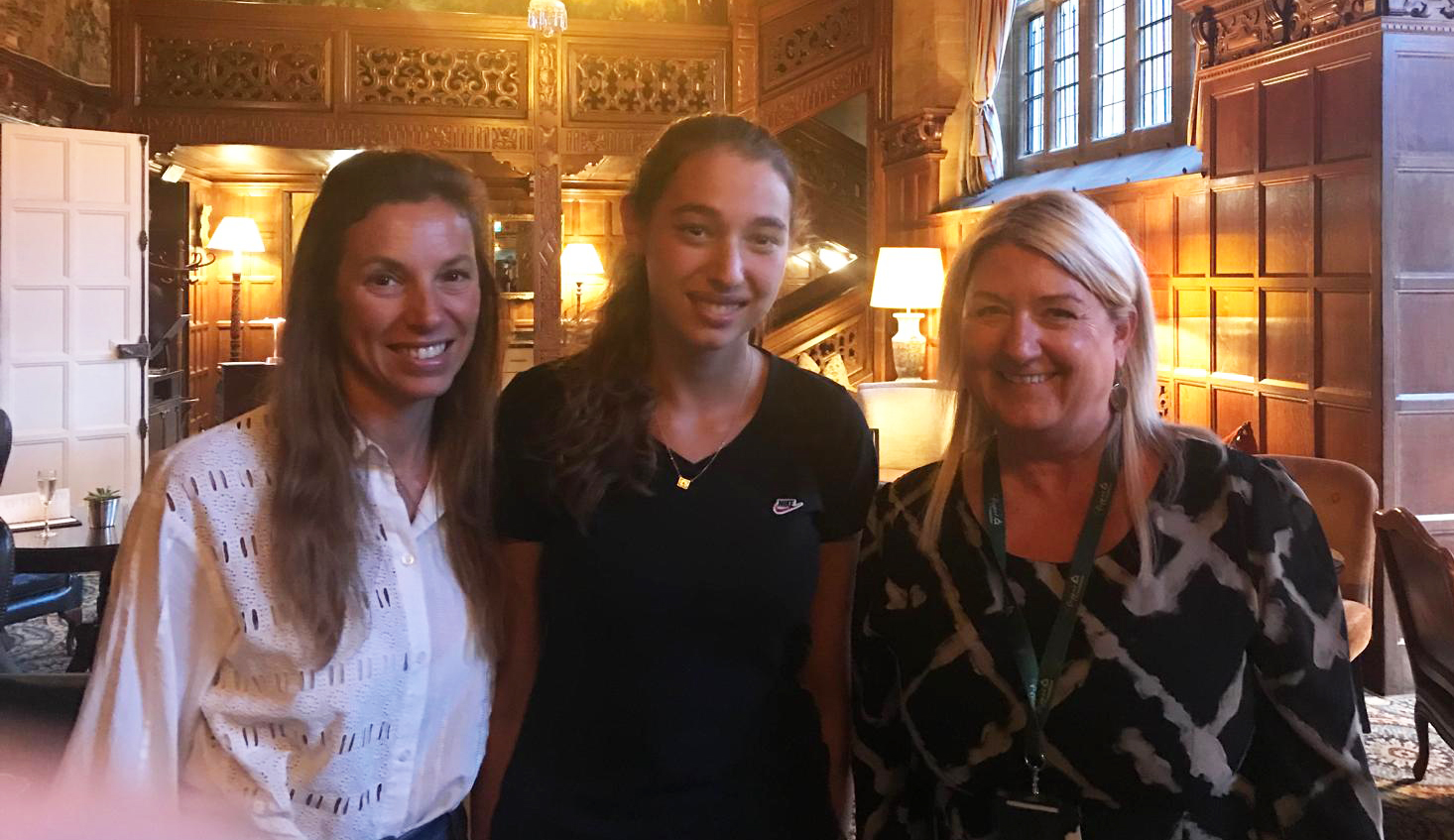
A big welcome to Sofia, who is joining Haileybury sixth form from Italy. Sofia’s Area Manager, Debbie was pleased to meet her and her family at the lovely Hanbury Manor Marriott Hotel and Country Club.
This is Mya and her parents from Kuala Lumpur in Malaysia. Mya was very excited about starting in the sixth form at Charterhouse when Belinda took her and her parents to meet Philippa, who will be her wonderful host family for exeat weekends. They talked about shopping trips to Guildford and walks in the local National Trust woodland. We think they’re going to get along brilliantly!

This is Mya and her parents from Kuala Lumpur in Malaysia. Mya was very excited about starting in the sixth form at Charterhouse when Belinda took her and her parents to meet Philippa, who will be her wonderful host family for exeat weekends. They talked about shopping trips to Guildford and walks in the local National Trust woodland. We think they’re going to get along brilliantly!
Area Manager Anna recently welcomed Dev Ramasamy and his parents. Dev is joining us from Malaysia and going into year 12 at Caterham to study DT/Graphics, Business Studies and politics. He is a big sports fan and holds a black belt in Taekwondo. Welcome and good luck, Dev!
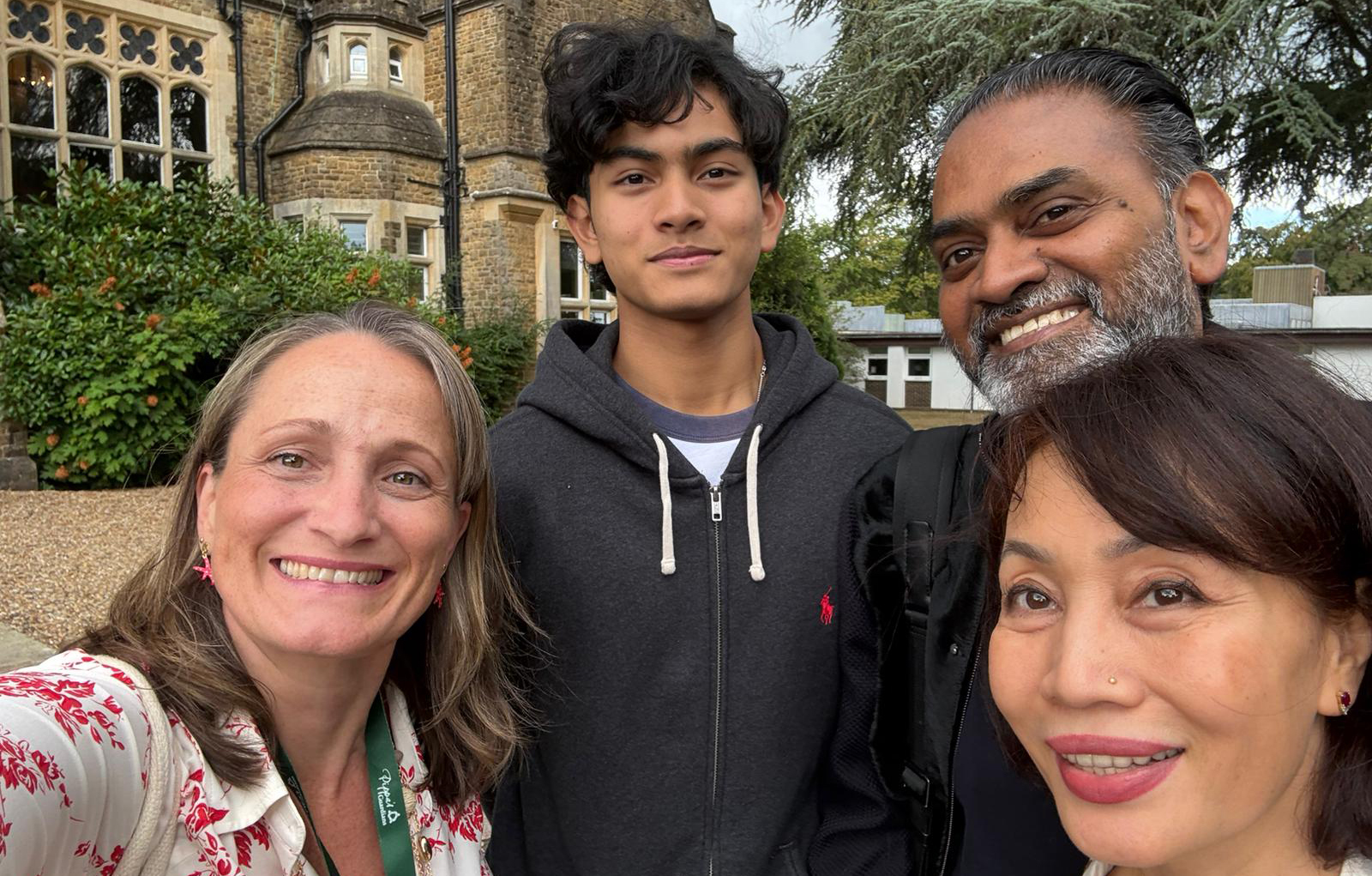
Area Manager Anna recently welcomed Dev Ramasamy and his parents. Dev is joining us from Malaysia and going into year 12 at Caterham to study DT/Graphics, Business Studies and politics. He is a big sports fan and holds a black belt in Taekwondo. Welcome and good luck, Dev!
Area Manager for Oundle, Katie, was really pleased to be able to welcome her new year 9 student Arunika and her parents. They all visited Arunika’s lovely new host, Debbie, for the first time – big smiles all round ☺️

Area Manager for Oundle, Katie, was really pleased to be able to welcome her new year 9 student Arunika and her parents. They all visited Arunika’s lovely new host, Debbie, for the first time – big smiles all round ☺️
Pippa’s student Matilde is entering year 12 at Sevenoaks and her brother Matthias is beginning in year 9 this term. Matilde is an existing Pippa’s student and is looking forward to showing her younger brother the ropes! Coming all the way from Thailand, they both enjoy sports and are looking forward to the amazing range of activities on offer at Sevenoaks. Area Manager Anna met the family at Buntastic in Sevenoaks to enjoy some incredible cinnamon buns!
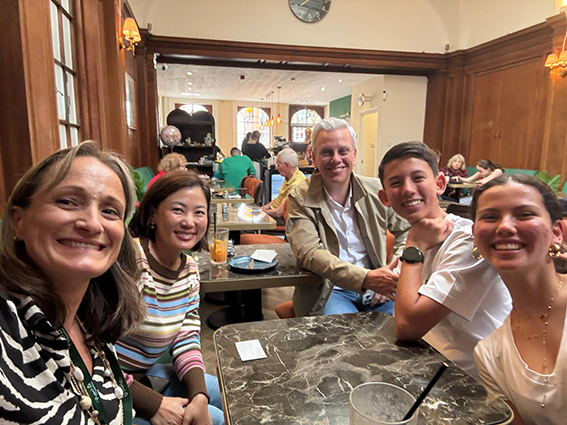
Pippa’s student Matilde is entering year 12 at Sevenoaks and her brother Matthias is beginning in year 9 this term. Matilde is an existing Pippa’s student and is looking forward to showing her younger brother the ropes! Coming all the way from Thailand, they both enjoy sports and are looking forward to the amazing range of activities on offer at Sevenoaks. Area Manager Anna met the family at Buntastic in Sevenoaks to enjoy some incredible cinnamon buns!
Area Manager for Shropshire and North Wales, Courtenay, was lucky enough to enjoy a lovely supper with Mrs Todoroki and her children, Leo and Alisa, and their host families. Alisa is new to Pippa’s this year, but luckily she has her big brother Leo to show her around.

Area Manager for Shropshire and North Wales, Courtenay, was lucky enough to enjoy a lovely supper with Mrs Todoroki and her children, Leo and Alisa, and their host families. Alisa is new to Pippa’s this year, but luckily she has her big brother Leo to show her around.
New Pippa’s student Kallie from the Bahamas was greeted at her Plymouth College boarding house by her Area Manager, Gemma. Gemma also met Kallie’s family, and they all got on like a house on fire 😊

New Pippa’s student Kallie from the Bahamas was greeted at her Plymouth College boarding house by her Area Manager, Gemma. Gemma also met Kallie’s family, and they all got on like a house on fire 😊
Welcome to Marina, who is joining us in year 9 at Sevenoaks. Marina had her parents with her as she was greeted by Area Manager, Anna, for the start of term. Marina is no stranger to Pippa’s, having already attended our Pippa’s summer schools, and she also knows Sevenoaks well, so settling in should be no problem 😊

Welcome to Marina, who is joining us in year 9 at Sevenoaks. Marina had her parents with her as she was greeted by Area Manager, Anna, for the start of term. Marina is no stranger to Pippa’s, having already attended our Pippa’s summer schools, and she also knows Sevenoaks well, so settling in should be no problem 😊
Area Manager for East Sussex, Elaine, met Jiahui Ren (Darren) from Beijing before his start at Eastbourne College. Elaine met the family and took him to meet Catherine, who will be his wonderful host family for exeat weekends and half term breaks. They talked excitedly about coming together and Jiahui is interested in learning to cook.

Area Manager for East Sussex, Elaine, met Jiahui Ren (Darren) from Beijing before his start at Eastbourne College. Elaine met the family and took him to meet Catherine, who will be his wonderful host family for exeat weekends and half term breaks. They talked excitedly about coming together and Jiahui is interested in learning to cook.
It was a whole family affair when Area Manager, Debbie, recently welcomed new student, David, to Bishops Stortford College. As well as his parents, David had with him his two younger brothers who had come along to offer support and wish him the best of luck in his studies in the UK.
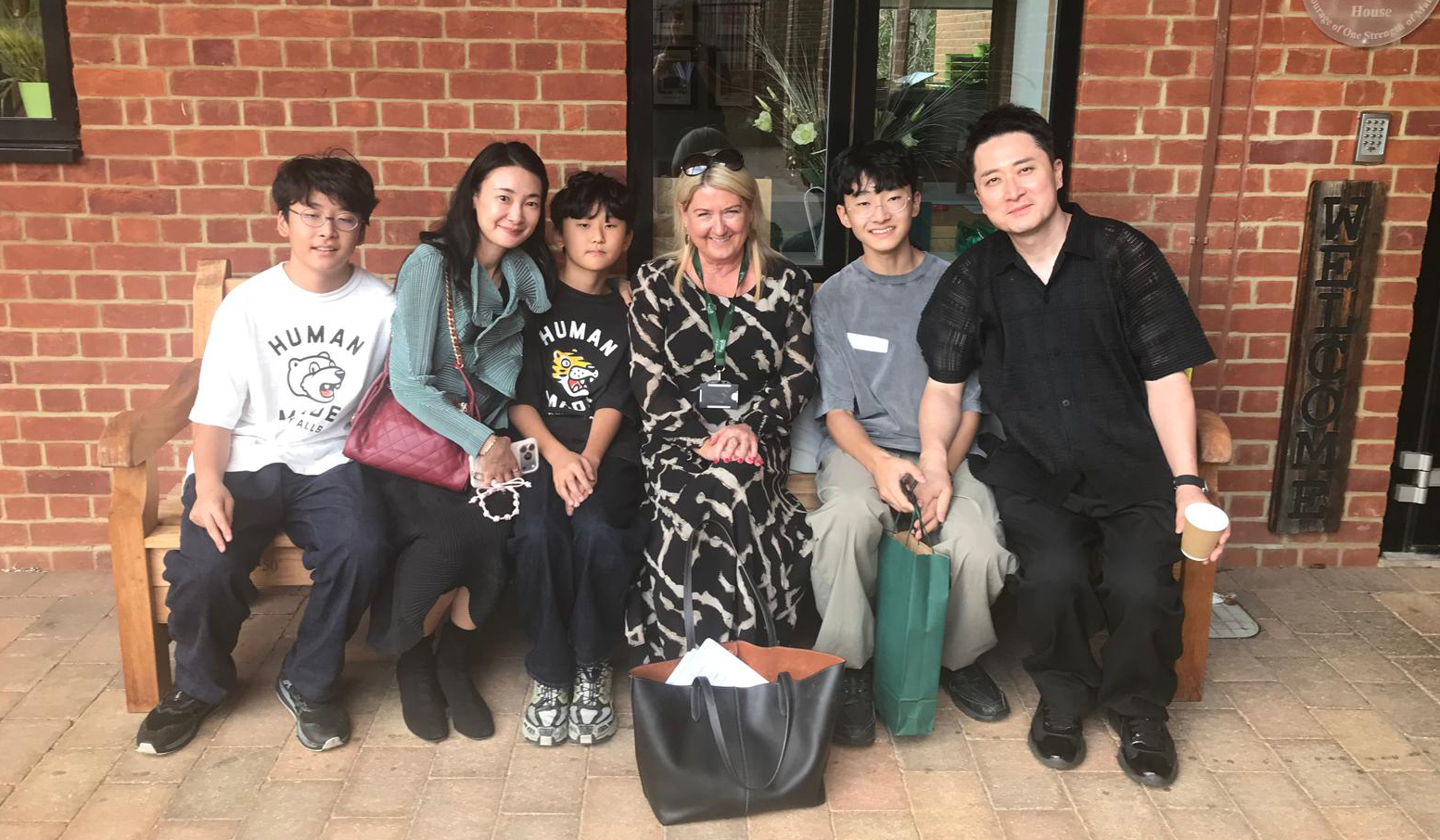
It was a whole family affair when Area Manager, Debbie, recently welcomed new student, David, to Bishops Stortford College. As well as his parents, David had with him his two younger brothers who had come along to offer support and wish him the best of luck in his studies in the UK.
Area Manager for North Wales, Courtenay, had a delightful meet and greet with the lovely Lena at her new school Packwood before the start of term. Good luck Lena.
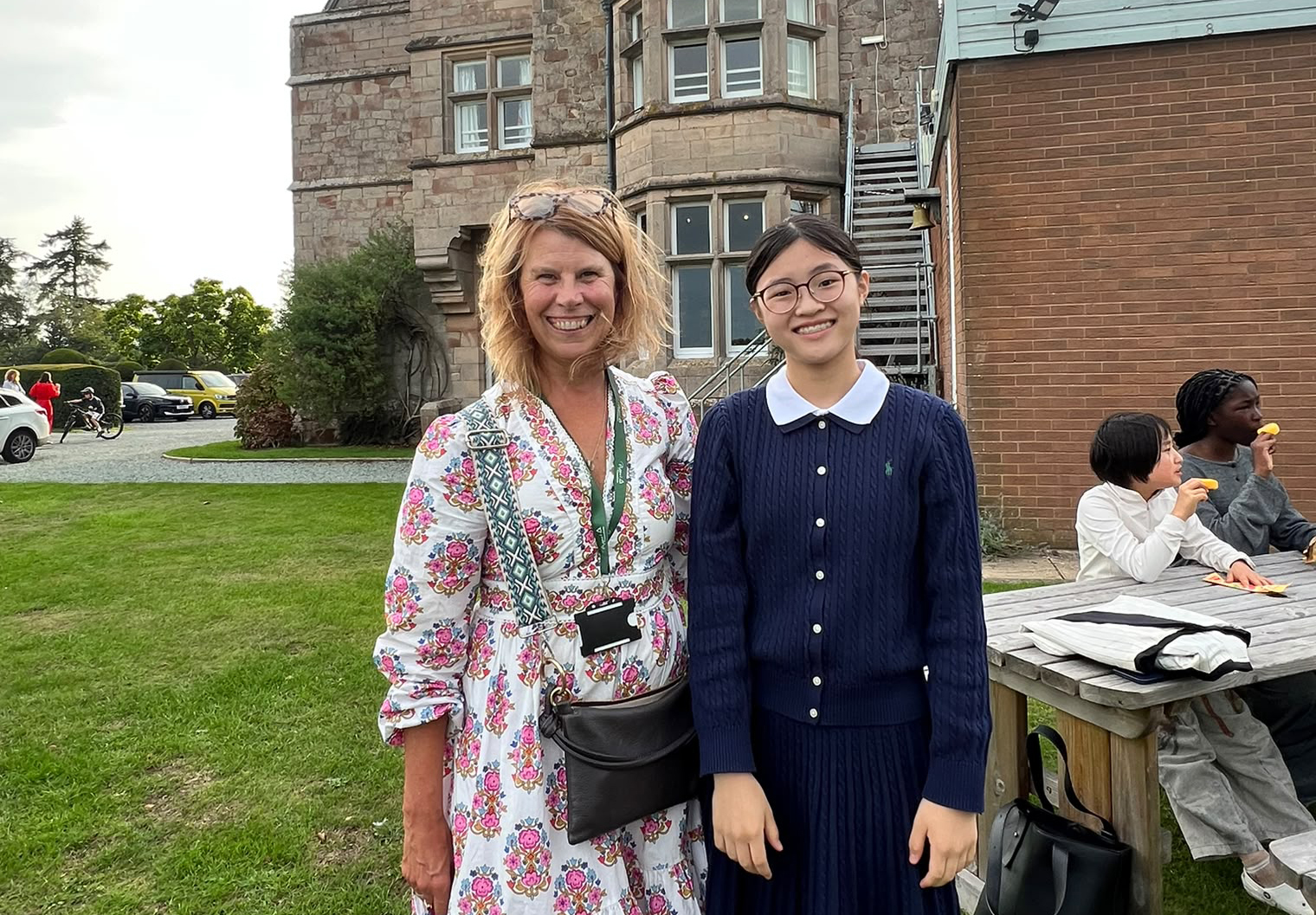
Area Manager for North Wales, Courtenay, had a delightful meet and greet with the lovely Lena at her new school Packwood before the start of term. Good luck Lena.
For the International Induction at Bromsgrove School, Area Manager Sarah was on hand to welcome new student Soma. Soma was with his mother, and Sarah was happy to assist with uniform before accompanying them on the International Induction, and then to get him settled into his new boarding house.
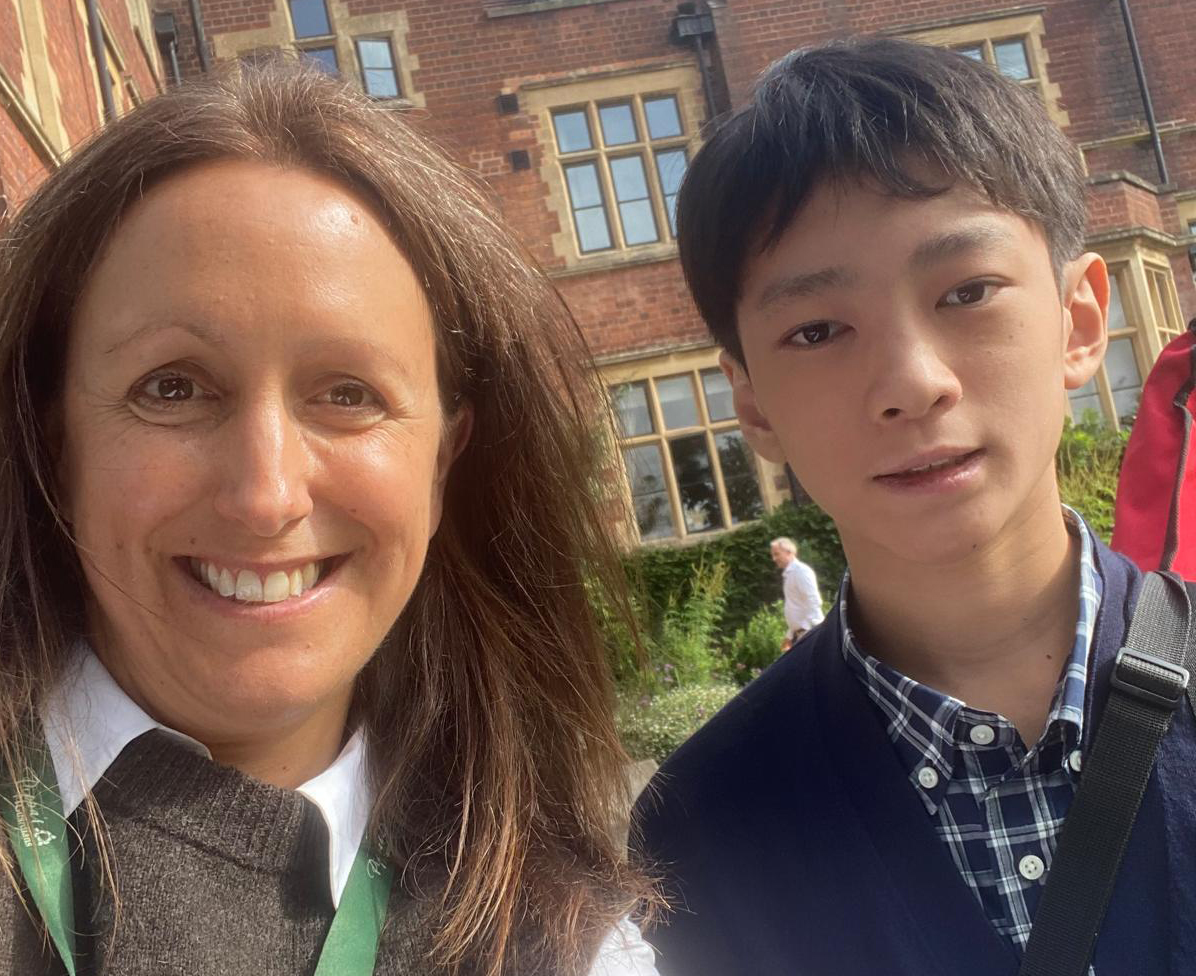
For the International Induction at Bromsgrove School, Area Manager Sarah was on hand to welcome new student Soma. Soma was with his mother, and Sarah was happy to assist with uniform before accompanying them on the International Induction, and then to get him settled into his new boarding house.
This is Akito from Japan with his mum and his new host family, Marion. Akito’s Area Manager, Anna, was delighted to introduce them all recently. Akito is excited to be starting in year 12 at Sevenoaks. We hope it goes well for him 😊
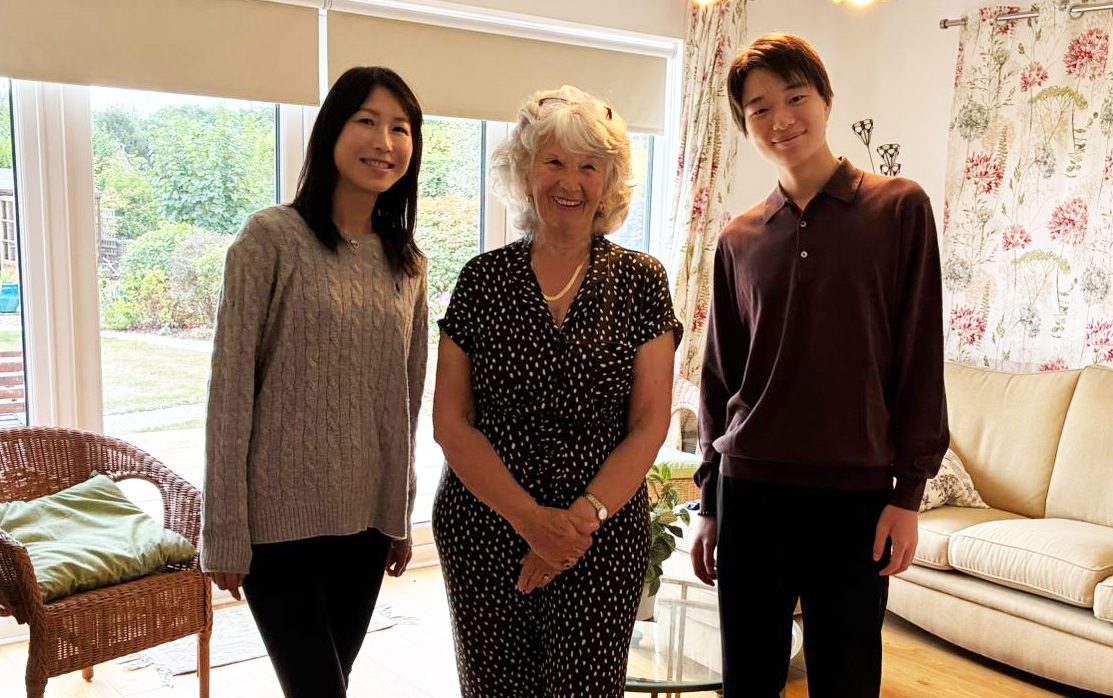
This is Akito from Japan with his mum and his new host family, Marion. Akito’s Area Manager, Anna, was delighted to introduce them all recently. Akito is excited to be starting in year 12 at Sevenoaks. We hope it goes well for him 😊
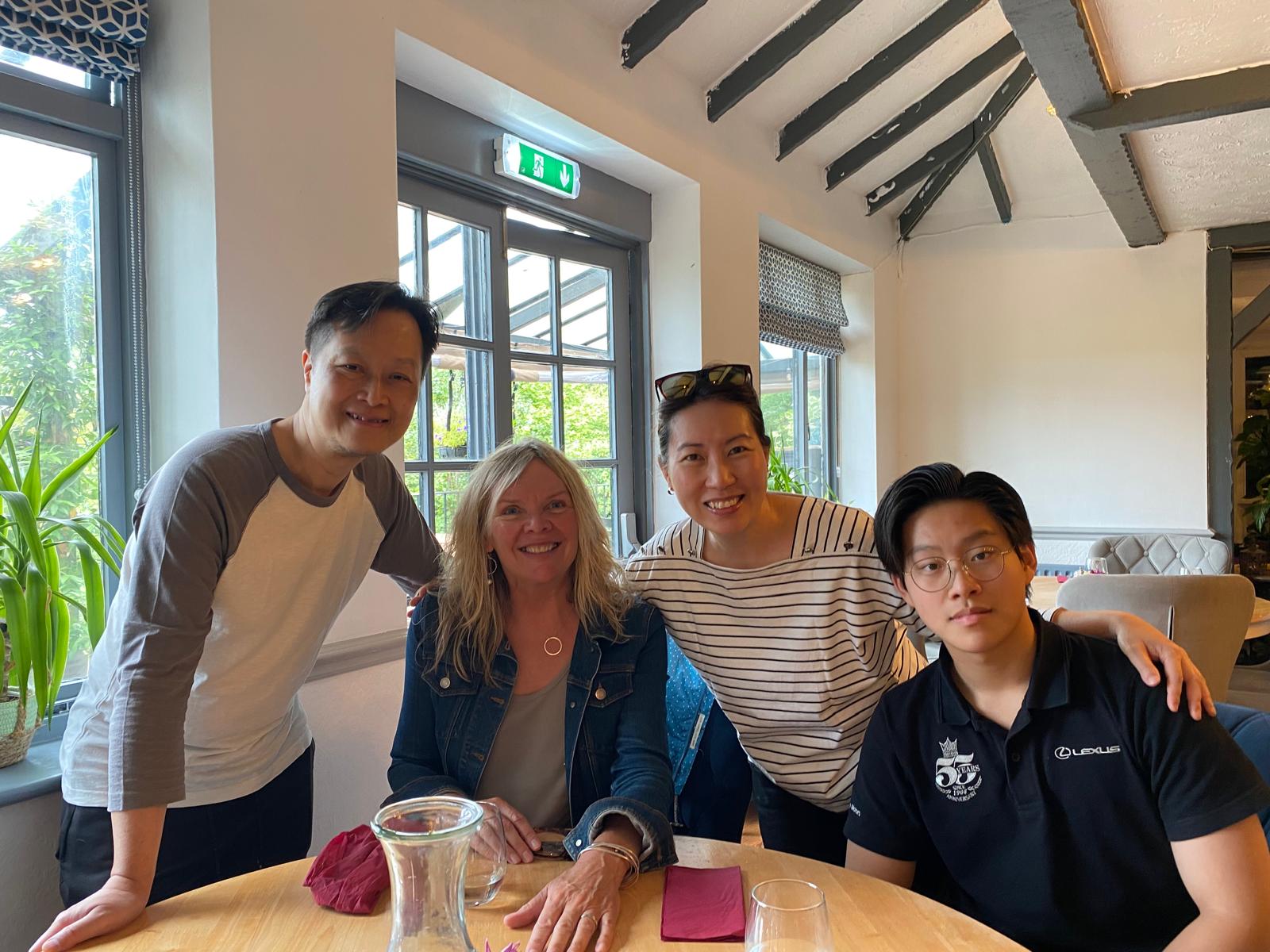
Preparing for the new school year
Preparing for the new school year
Whether your child is returning to boarding school in the UK after the summer holidays, or coming to the UK for the first time to start at a new school, a little preparation can make the transition smoother and help them begin the academic year with confidence.
For overseas parents with children studying at UK boarding schools, the start of term often involves more than simply buying new school supplies. Travel arrangements, communication plans, emotional preparation and practical organisation all play an important role in helping students settle quickly and succeed during the year ahead.
Review travel and arrival plans
One of the first priorities is confirming travel arrangements well in advance. Check flight details, airport transfers, visa requirements and the school’s arrival procedures.
Make sure your child has:
- their passport and visa documentation
- school contact details
- their guardian’s contact information
- any required medical information or prescriptions.
A well-organised arrival helps reduce unnecessary stress and allows students to focus on settling into school life.

Review travel and arrival plans
One of the first priorities is confirming travel arrangements well in advance. Check flight details, airport transfers, visa requirements and the school’s arrival procedures.
Make sure your child has:
- their passport and visa documentation
- school contact details
- their guardian’s contact information
- any required medical information or prescriptions.
A well-organised arrival helps reduce unnecessary stress and allows students to focus on settling into school life.
Check uniform and boarding essentials
Children can grow surprisingly quickly over the summer. Before term begins, check that uniforms, sports kit, shoes and coats still fit and meet the school’s requirements. It is also worth reviewing boarding essentials such as toiletries, stationery, chargers, adapters and any personal items your child found particularly useful if they were boarding last year. Clearly labelling clothing and belongings can save a great deal of frustration during busy boarding house routines.
Reset healthy routines
Summer holidays often bring later bedtimes, more screen time and less structured schedules. Gradually returning to a school routine before departure can make the first week much easier.
Encourage your child to:
- go to bed and wake up earlier
- reduce late-night screen use
- resume regular reading or study habits
- exercise regularly
- eat balanced meals.
These small adjustments can help students feel more energised and ready for the demands of a new academic term.

Check uniform and boarding essentials
Children can grow surprisingly quickly over the summer. Before term begins, check that uniforms, sports kit, shoes and coats still fit and meet the school’s requirements. It is also worth reviewing boarding essentials such as toiletries, stationery, chargers, adapters and any personal items your child found particularly useful if they were boarding last year. Clearly labelling clothing and belongings can save a great deal of frustration during busy boarding house routines.
Reset healthy routines
Summer holidays often bring later bedtimes, more screen time and less structured schedules. Gradually returning to a school routine before departure can make the first week much easier.
Encourage your child to:
- go to bed and wake up earlier
- reduce late-night screen use
- resume regular reading or study habits
- exercise regularly
- eat balanced meals.
These small adjustments can help students feel more energised and ready for the demands of a new academic term.
Talk about goals for the year
The start of a new school year is an excellent opportunity to discuss your child’s academic and personal goals.
Rather than focusing only on grades, encourage them to think about broader objectives such as:
- improving English confidence
- joining a new club or sports team
- developing study skills
- taking on leadership opportunities
- making friends from different countries.
Students who have a sense of purpose often adapt more quickly and become more engaged in school life.
Prepare emotionally for the transition
Even students who have boarded before can feel anxious about returning. They may be wondering about new teachers, exam pressure, friendships or changes within their boarding house.
Create space for open conversations. Ask how they are feeling about the new term and listen without immediately trying to solve every concern.
For younger students, remind them that it is normal to feel a mixture of excitement and nervousness. For older students, acknowledge the increasing academic expectations while expressing confidence in their ability to manage them.

Talk about goals for the year
The start of a new school year is an excellent opportunity to discuss your child’s academic and personal goals.
Rather than focusing only on grades, encourage them to think about broader objectives such as:
- improving English confidence
- joining a new club or sports team
- developing study skills
- taking on leadership opportunities
- making friends from different countries.
Students who have a sense of purpose often adapt more quickly and become more engaged in school life.
Prepare emotionally for the transition
Even students who have boarded before can feel anxious about returning. They may be wondering about new teachers, exam pressure, friendships or changes within their boarding house.
Create space for open conversations. Ask how they are feeling about the new term and listen without immediately trying to solve every concern.
For younger students, remind them that it is normal to feel a mixture of excitement and nervousness. For older students, acknowledge the increasing academic expectations while expressing confidence in their ability to manage them.
Review communication expectations
For overseas parents of international students, communication is one of the most important aspects of the boarding school experience.
Before term begins, agree a realistic communication routine. Regular video calls and messages help maintain family connections, but it is equally important to allow your child the space to become involved in school life.
A healthy balance encourages independence while ensuring your child knows they can always reach out when needed.
Stay connected with the school and guardian
Your child’s educational guardian in the UK and the boarding school staff form an important support network throughout the academic year.
Take time to review key contact details and understand the school’s communication systems. Knowing who to contact about academic concerns, pastoral support, medical issues or travel arrangements can provide valuable reassurance for parents living overseas.

Review communication expectations
For overseas parents of international students, communication is one of the most important aspects of the boarding school experience.
Before term begins, agree a realistic communication routine. Regular video calls and messages help maintain family connections, but it is equally important to allow your child the space to become involved in school life.
A healthy balance encourages independence while ensuring your child knows they can always reach out when needed.
Stay connected with the school and guardian
Your child’s educational guardian in the UK and the boarding school staff form an important support network throughout the academic year.
Take time to review key contact details and understand the school’s communication systems. Knowing who to contact about academic concerns, pastoral support, medical issues or travel arrangements can provide valuable reassurance for parents living overseas.
A strong start makes a difference
The beginning of a new academic year sets the tone for the months ahead. Good preparation does not mean eliminating every challenge; it means giving your child the practical skills, emotional confidence and support network they need to navigate those challenges successfully.
For families with children studying at UK boarding schools, preparation is about partnership. Parents, schools and educational guardians in the UK all play a role in helping international students feel secure, supported and ready to make the most of the opportunities that a British boarding school education can provide.
A calm, organised and encouraging approach before the start of term can make a remarkable difference to how confidently your child begins the new school year.

A strong start makes a difference
The beginning of a new academic year sets the tone for the months ahead. Good preparation does not mean eliminating every challenge; it means giving your child the practical skills, emotional confidence and support network they need to navigate those challenges successfully.
For families with children studying at UK boarding schools, preparation is about partnership. Parents, schools and educational guardians in the UK all play a role in helping international students feel secure, supported and ready to make the most of the opportunities that a British boarding school education can provide.
A calm, organised and encouraging approach before the start of term can make a remarkable difference to how confidently your child begins the new school year.

What is it like to host an international student?
What is it like to host an international student?
Katrina and Robert Sands have been a host family with Pippa’s Guardians for over two years. In that time they have hosted a number of different students from various schools and colleges close to where they live in Berkshire. Here, Katrina talks about her experiences of hosting.
“We have been a host family for Pippa’s Guardians since January 2024 and it has truly been one of the most rewarding experiences for our family. The students we welcome into our home quickly become part of our everyday lives, bringing so much warmth, energy, and joy with them. We value the time we spend together, especially around the dinner table, sharing stories about their families, cultures, hobbies, and friendships.
As they settle in, it’s lovely to see them grow in confidence. Before long, they feel completely at home, helping themselves in the kitchen, joining in with family activities and even cooking meals for us all. We’ve been incredibly lucky to enjoy delicious dishes from Thailand, Spain, China, and Japan, which has been such a treat. Celebrating birthdays together, attending their concerts and supporting them at school or college events has made us feel genuinely connected to their journeys. It is a real privilege to care for them and to build relationships with both the students and their families.”

“We have been a host family for Pippa’s Guardians since January 2024 and it has truly been one of the most rewarding experiences for our family. The students we welcome into our home quickly become part of our everyday lives, bringing so much warmth, energy, and joy with them. We value the time we spend together, especially around the dinner table, sharing stories about their families, cultures, hobbies, and friendships.
As they settle in, it’s lovely to see them grow in confidence. Before long, they feel completely at home, helping themselves in the kitchen, joining in with family activities and even cooking meals for us all. We’ve been incredibly lucky to enjoy delicious dishes from Thailand, Spain, China, and Japan, which has been such a treat. Celebrating birthdays together, attending their concerts and supporting them at school or college events has made us feel genuinely connected to their journeys. It is a real privilege to care for them and to build relationships with both the students and their families.”
“A typical weekend begins with collecting the students from school or college. We enjoy a relaxed catch-up in the car, often with a quick snack along the way. Once home, they unwind in their rooms before joining us downstairs when they’re ready. They settle in naturally and many enjoy spending time with our three ragdoll cats, who always appreciate the extra attention!
Mealtimes are an important part of our routine. We always sit down together and our own children love having new friends to talk to. Weekends are generally calm and flexible. Older students often use the time to rest, study, practise music, or simply enjoy some well-earned downtime.”

“A typical weekend begins with collecting the students from school or college. We enjoy a relaxed catch-up in the car, often with a quick snack along the way. Once home, they unwind in their rooms before joining us downstairs when they’re ready. They settle in naturally and many enjoy spending time with our three ragdoll cats, who always appreciate the extra attention!
Mealtimes are an important part of our routine. We always sit down together and our own children love having new friends to talk to. Weekends are generally calm and flexible. Older students often use the time to rest, study, practise music, or simply enjoy some well-earned downtime.”
“We’re fortunate to live in a beautiful area that offers both countryside and easy access to town and London. Sometimes the older students travel into London to meet friends, while at other times we spend time together locally, visiting parks, going on bike rides, or enjoying sports like golf, tennis, badminton, basketball or football at the leisure centre. Baking together and helping with meal preparation are always popular and we also enjoy playing games like chess and Mancala as a family.
During longer holidays, we really notice how quiet the house becomes without them and we miss their presence. We are already looking forward to another wonderful year of hosting and would wholeheartedly recommend becoming a host family. It is a truly special and enriching experience.”

“We’re fortunate to live in a beautiful area that offers both countryside and easy access to town and London. Sometimes the older students travel into London to meet friends, while at other times we spend time together locally, visiting parks, going on bike rides, or enjoying sports like golf, tennis, badminton, basketball or football at the leisure centre. Baking together and helping with meal preparation are always popular and we also enjoy playing games like chess and Mancala as a family.
During longer holidays, we really notice how quiet the house becomes without them and we miss their presence. We are already looking forward to another wonderful year of hosting and would wholeheartedly recommend becoming a host family. It is a truly special and enriching experience.”
If you are interested in experiencing the joys that being a host family can bring, please get in touch with us on 01684 252757, or email hostfamilies@pippasguardians.co.uk for more information.

Getting ready for exams
Getting Ready for Exams: Revision Tips & Tricks
Preparing for GCSEs and A-Levels can feel intense for any student – but when studying in the UK as an international boarder, you’re also balancing a different education system, possibly a second language, and life away from home. The good news? With the right approach, you can absolutely thrive.
Here’s a practical, supportive guide to help you feel more confident and in control as exams approach.
1. Understand the UK exam system (It’s half the battle)
UK exams often focus less on memorising facts and more on applying knowledge and answering exam-style questions. This can be quite different from other education systems.
- Look at past papers, which are available online with a quick search
- Learn how marks are awarded using mark schemes
- Pay attention to command words like “analyse”, “evaluate”, and “compare” and clarify exactly what each means
2. Create a realistic revision timetable
A good revision plan should feel structured but flexible.
- Break subjects into topics
- Rotate subjects to avoid burnout
- Include regular breaks and downtime (very important!)
Aim for consistency rather than cramming – little and often works best.

1. Understand the UK exam system (It’s half the battle)
UK exams often focus less on memorising facts and more on applying knowledge and answering exam-style questions. This can be quite different from other education systems.
- Look at past papers, which are available online with a quick search
- Learn how marks are awarded using mark schemes
- Pay attention to command words like “analyse”, “evaluate”, and “compare” and clarify exactly what each means
2. Create a realistic revision timetable
A good revision plan should feel structured but flexible.
- Break subjects into topics
- Rotate subjects to avoid burnout
- Include regular breaks and downtime (very important!)
Aim for consistency rather than cramming – little and often works best.
3. Use active revision techniques
Simply re-reading notes isn’t very effective. Instead, try:
- Flashcards (great for key terms and definitions)
- Blurting (write everything you remember, then check gaps)
- Teaching someone else (even explaining out loud helps!)
- Practice questions under timed conditions
The more actively you engage with the material, the better you’ll retain it.
4. Use your strength as an international student
Being multilingual is a huge advantage – but studying in English can still be tiring.
- Keep a subject vocabulary list for tricky terms
- Translate difficult concepts into your first language if helpful
- Don’t be afraid to ask teachers to clarify wording
3. Use active revision techniques
Simply re-reading notes isn’t very effective. Instead, try:
- Flashcards (great for key terms and definitions)
- Blurting (write everything you remember, then check gaps)
- Teaching someone else (even explaining out loud helps!)
- Practice questions under timed conditions
The more actively you engage with the material, the better you’ll retain it.
4. Use your strength as an international student
Being multilingual is a huge advantage – but studying in English can still be tiring.
- Keep a subject vocabulary list for tricky terms
- Translate difficult concepts into your first language if helpful
- Don’t be afraid to ask teachers to clarify wording
5. Make the most of boarding school support
One of the biggest advantages you have is support on-site.
- Attend prep sessions and revision workshops
- Ask house staff or tutors for help structuring your time
- Study with friends – group revision can be really motivating
6. Take care of your wellbeing
It’s easy to focus only on studying, but your mental and physical health matter just as much.
- Get enough sleep (this is when your brain processes information)
- Eat regular, balanced meals
- Stay active – even a short walk helps clear your mind
Feeling overwhelmed is normal – talk to someone if you need to.

5. Make the most of boarding school support
One of the biggest advantages you have is support on-site.
- Attend prep sessions and revision workshops
- Ask house staff or tutors for help structuring your time
- Study with friends – group revision can be really motivating
6. Take care of your wellbeing
It’s easy to focus only on studying, but your mental and physical health matter just as much.
- Get enough sleep (this is when your brain processes information)
- Eat regular, balanced meals
- Stay active – even a short walk helps clear your mind
Feeling overwhelmed is normal – talk to someone if you need to.
7. Focus on progress, not perfection
It’s easy to compare yourself to others, especially in a competitive environment. Try to focus on your own improvement.
- Set small, achievable goals
- Celebrate progress (even small wins!)
- Don’t panic over one bad practice test
Final thoughts
Preparing for GCSEs and A-Levels as an international boarding student is a big achievement in itself. You’re adapting, learning, and growing every day – and that resilience will take you far beyond exams.
Stay organised, ask for help when you need it, and remember to take care of yourself along the way.
You’ve got this.
7. Focus on progress, not perfection
It’s easy to compare yourself to others, especially in a competitive environment. Try to focus on your own improvement.
- Set small, achievable goals
- Celebrate progress (even small wins!)
- Don’t panic over one bad practice test
Final thoughts
Preparing for GCSEs and A-Levels as an international boarding student is a big achievement in itself. You’re adapting, learning, and growing every day – and that resilience will take you far beyond exams.
Stay organised, ask for help when you need it, and remember to take care of yourself along the way.
You’ve got this.
Staying With a Host Family or Remaining in School for Exeats and Half Terms?
Staying With a Host Family or Remaining in School for Exeats and Half Terms?
A small but growing number of schools now keep a house open for international students during exeats and half terms, offering an alternative to staying with relatives or a host family.
While staying at school may occasionally suit certain circumstances, we believe the most enriching and well-rounded experience for your child comes from spending time with a host family. Building a meaningful relationship with their host “parents” and experiencing everyday family life outside the school environment provides invaluable support and balance.
Below are ten key benefits to consider when planning your child’s time away from school:
While staying at school may occasionally suit certain circumstances, we believe the most enriching and well-rounded experience for your child comes from spending time with a host family. Building a meaningful relationship with their host “parents” and experiencing everyday family life outside the school environment provides invaluable support and balance.
Below are ten key benefits to consider when planning your child’s time away from school:
1. A home from home – A warm, comfortable environment and the feeling of being part of a supportive family.
2. A genuine break from school routines – Time to reset away from academic structure.
3. Personal space – A private room and a respite from the shared facilities of school life.
4. Cost-effective – Host family stays are generally more affordable than remaining in school accommodation.
5. Personalised care – Host families can respond to a student’s individual needs, whether that means quiet time for rest and recovery or the chance to join in with busy family activities.

1. A home from home – A warm, comfortable environment and the feeling of being part of a supportive family.
2. A genuine break from school routines – Time to reset away from academic structure.
3. Personal space – A private room and a respite from the shared facilities of school life.
4. Cost-effective – Host family stays are generally more affordable than remaining in school accommodation.
5. Personalised care – Host families can respond to a student’s individual needs, whether that means quiet time for rest and recovery or the chance to join in with busy family activities.
6. Cultural immersion – A natural way to deepen understanding of English customs, communication, and daily life.
7. A change of pace and scenery – Students work extremely hard at boarding school; a different environment helps them to recharge.
8. Opportunities for exploration – Visits to new places and experiences that broaden cultural horizons.
9. Freedom and flexibility – Time to choose how they spend their days: revising, reading, relaxing, going on outings, or enjoying hobbies.
10. No timetable – The freedom to enjoy true downtime without pressure or scheduled activities.

6. Cultural immersion – A natural way to deepen understanding of English customs, communication, and daily life.
7. A change of pace and scenery – Students work extremely hard at boarding school; a different environment helps them to recharge.
8. Opportunities for exploration – Visits to new places and experiences that broaden cultural horizons.
9. Freedom and flexibility – Time to choose how they spend their days: revising, reading, relaxing, going on outings, or enjoying hobbies.
10. No timetable – The freedom to enjoy true downtime without pressure or scheduled activities.
An added bonus: Don’t forget Pippa’s half-term camps are also available. Choose from Holiday or Study Camps, and for older students, GCSE/A-Level Revision Camps and Work Experience Camps.

Communication for Overseas Parents
Communication for Overseas Parents

At this time of year, I often wonder how on earth our families manage.
Earlier this month I took my daughter back to boarding school, and thankfully she was thrilled to return to pre-season netball and a house full of friends. The inevitable lonely drive home isn’t ideal for my wife and I, but then again, she’s happy so I’m happy.
As the Guardian to overseas students from all over the world, the courage our families have to send their children to the UK is really quite remarkable. The last time I flew from Japan to the UK, it took over 15 hours, and we went via the Arctic Circle. It is an extraordinary distance, yet I was returning to the comfort of my home.
Our students almost always go straight from the airport into school, sometimes via a host family for a day or so. Before they know it, straight into lessons, English food, learning in a second language with the expected grades to follow. Busy lives, structure and routine all whilst battling jetlag and homesickness.
Their parents are often now at home wondering if they’re doing the right thing for their child. Trying to understand the schools’ policies and procedures in a second language and catching brief conversations with their children when they can. My daughter calls home most nights at 8pm, it’s a real highlight for Louise and I, and thankfully there is no time difference for us.
Despite this our students continue to return to the UK to pursue their dreams year after year, away from their friends and families. Our parents routinely wave them off at departures knowing they won’t seem them for months. It’s quite an extraordinary commitment, even after 14 years of running Pippa’s I can’t quite get used to it.
A common compliant I hear from schools is that they never hear from overseas parents, especially those living in mainland China. Aside from time difference and the fact they often don’t speak English, emails are often simply not widely read. This is because they use WeChat, a powerful communication tool used in China (a mere 1.3 billion users!).
At 12:15pm on the 5th February we’ll be hosting a free WeChat webinar delivered by our very brilliant Rebecca Finney. Please register here if you’d like to join:
To all the schools reading this, the very best of luck with the new term and a Happy New Year to you all.
At this time of year, I often wonder how on earth our families manage.
Earlier this month I took my daughter back to boarding school, and thankfully she was thrilled to return to pre-season netball and a house full of friends. The inevitable lonely drive home isn’t ideal for my wife and I, but then again, she’s happy so I’m happy.
As the Guardian to overseas students from all over the world, the courage our families have to send their children to the UK is really quite remarkable. The last time I flew from Japan to the UK, it took over 15 hours, and we went via the Arctic Circle. It is an extraordinary distance, yet I was returning to the comfort of my home.
Our students almost always go straight from the airport into school, sometimes via a host family for a day or so. Before they know it, straight into lessons, English food, learning in a second language with the expected grades to follow. Busy lives, structure and routine all whilst battling jetlag and homesickness.
Their parents are often now at home wondering if they’re doing the right thing for their child. Trying to understand the schools’ policies and procedures in a second language and catching brief conversations with their children when they can. My daughter calls home most nights at 8pm, it’s a real highlight for Louise and I, and thankfully there is no time difference for us.
Despite this our students continue to return to the UK to pursue their dreams year after year, away from their friends and families. Our parents routinely wave them off at departures knowing they won’t seem them for months. It’s quite an extraordinary commitment, even after 14 years of running Pippa’s I can’t quite get used to it.
A common compliant I hear from schools is that they never hear from overseas parents, especially those living in mainland China. Aside from time difference and the fact they often don’t speak English, emails are often simply not widely read. This is because they use WeChat, a powerful communication tool used in China (a mere 1.3 billion users!).
At 12:15pm on the 5th February we’ll be hosting a free WeChat webinar delivered by our very brilliant Rebecca Finney. Please register here if you’d like to join:
To all the schools reading this, the very best of luck with the new term and a Happy New Year to you all.


ASIC accreditation
Pippa’s Guardians Achieves ASIC Accreditation with Premier Status
We are delighted to share that Pippa’s Guardians has been awarded UK Accreditation from ASIC (Accreditation Service for International Schools, Colleges, and Universities), achieving Premier Status for our commendable Areas of Operation. ASIC is one of the world’s largest international accreditation agencies, operating across more than 70 countries and is recognised in the UK by UKVI.

This accreditation is a significant achievement and reflects our ongoing commitment to providing high-quality, safe, and enriching educational experiences for all students. It also ensures that we meet the rigorous international standards expected of accredited institutions.
We are proud of this achievement and of the high standards it represents. Our accreditation reflects our promise to deliver exceptional care, robust safeguarding, and outstanding educational experiences for every student who joins us at one of Pippa’s Camps.

Seasonal Snippets
Seasonal Snippets
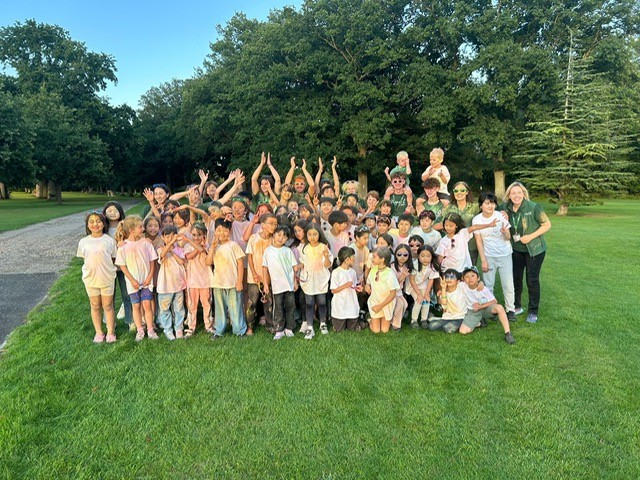
How is it that Christmas has come around again so quickly?! The school festivities have been in full swing since the beginning of December, and our Area Managers have been busy attending Christmas events, visiting students, and chaperoning students to the airport so that they can fly home to see their families for the holidays.
Here’s a snippet of what’s been happening:
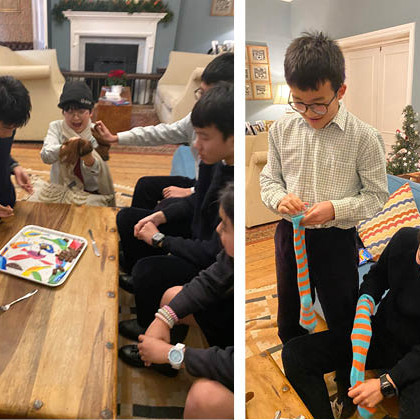
Area Manager for South Oxfordshire and Berkshire, Julie, held a Pippa’s Party for her Cothill House students, to get them all in the festive mood. Julie had arranged some fun games for them all, and apparently the laughter could be heard all the way down the boarding corridor!
Students at Brighton College were lucky enough to have a chocolate advent calendar hand-delivered to them when their Area Manager, Elaine, popped by for a pastoral visit. Vidya and Georgina were pleased to see Elaine, and the chocolate of course!
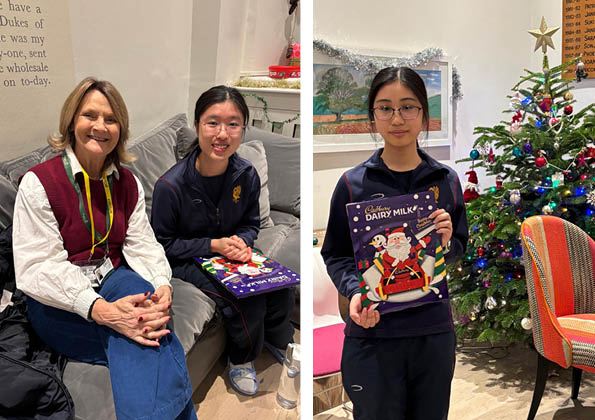
Students at Brighton College were lucky enough to have a chocolate advent calendar hand-delivered to them when their Area Manager, Elaine, popped by for a pastoral visit. Vidya and Georgina were pleased to see Elaine, and the chocolate of course!
Debbie, our Area Manager for Hertfordshire and Cambridgeshire, was impressed by the beautiful Christmas decorations at St Margaret’s when she visited student, Angelina before the end of term. In year 13, Angelina is busy applying for universities, but she was definitely looking forward to flying back home to Hong Kong for the festive period.
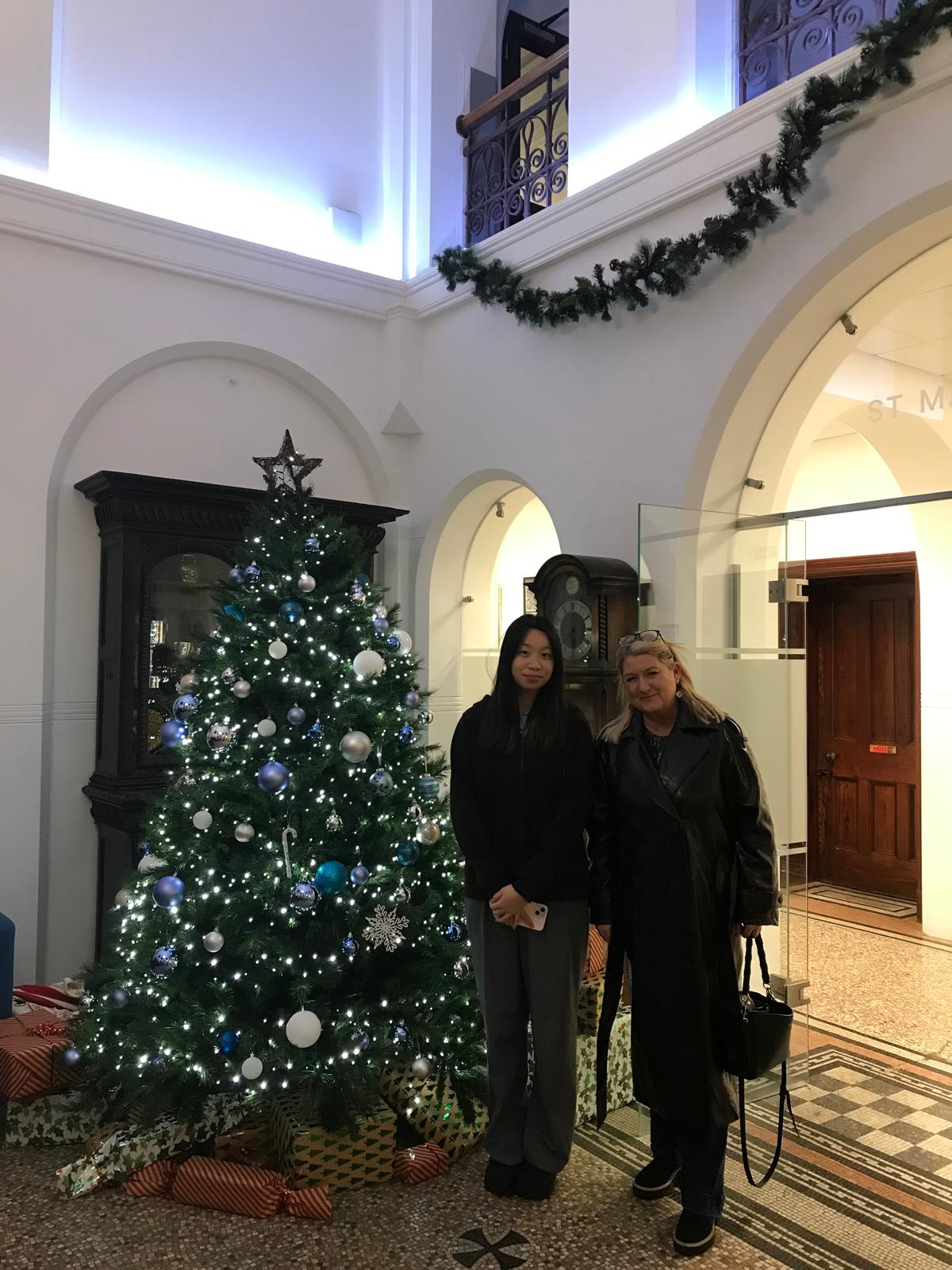
Debbie, our Area Manager for Hertfordshire and Cambridgeshire, was impressed by the beautiful Christmas decorations at St Margaret’s when she visited student, Angelina before the end of term. In year 13, Angelina is busy applying for universities, but she was definitely looking forward to flying back home to Hong Kong for the festive period.
Area Manager for Somerset and Dorset, Rose, enjoyed some Sunday morning festive madness by running the Santa fun run around the village of Motcombe with her students from Port Regis!

Area Manager for Somerset and Dorset, Rose, enjoyed some Sunday morning festive madness by running the Santa fun run around the village of Motcombe with her students from Port Regis!
Area Manager for the South West, Gemma, was pleased to be able to support her student, Eunis, who was singing at the Kings College Taunton carols concert.

Area Manager for the South West, Gemma, was pleased to be able to support her student, Eunis, who was singing at the Kings College Taunton carols concert.
With the help of Pippa’s Chaperone, Jenny, Area Manager for Buckinghamshire, Michelle, took Koichi, Dew, Shaco and Justin from Eton College to Heathrow airport for their flights home for Christmas. Belinda, Area Manager for Surrey, also accompanied Aldro student Sarah to Gatwick, to help her check in for her flight home. They were all looking forward to seeing family and friends, and having a relaxing break.

With the help of Pippa’s Chaperone, Jenny, Area Manager for Buckinghamshire, Michelle, took Koichi, Dew, Shaco and Justin from Eton College to Heathrow airport for their flights home for Christmas. Belinda, Area Manager for Surrey, also accompanied Aldro student Sarah to Gatwick, to help her check in for her flight home. They were all looking forward to seeing family and friends, and having a relaxing break.
Kate had a couple of days staying with a host family after school broke up and before she flew off to see her family. Luckily, she was able to help to decorate the family’s Christmas tree.

Kate had a couple of days staying with a host family after school broke up and before she flew off to see her family. Luckily, she was able to help to decorate the family’s Christmas tree.
We wish you all a peaceful and joyous time over the Christmas holidays, and look forward to welcoming our students back rested and refreshed for a new year.