
Managing homesickness and culture shock
Starting a new life at a UK boarding school is an exciting adventure, but it can also be one of the biggest adjustments a young person will ever experience. For many international students in the UK, the first few weeks are filled with new friendships, unfamiliar routines, different food, a new culture and the challenge of being away from home.
Feeling homesick or experiencing culture shock does not mean that something has gone wrong. In fact, these feelings are completely normal and affect many students, even those who are confident, outgoing and excited about studying abroad.
Whether you are a student beginning your boarding school journey or a parent supporting a child from overseas, understanding these emotions can make the adjustment much easier.
What is homesickness?
Homesickness is the emotional response to being separated from familiar people, places and routines. It can happen during the first few days, after a few weeks, or even later in the term.
Students may miss:
- family and friends
- home-cooked food
- speaking their first language
- familiar routines
- celebrations and traditions
- simply feeling known and understood.
Homesickness can sometimes feel overwhelming, but it is usually temporary. Most students find that the intensity of these feelings gradually decreases as they build new routines and relationships.

What is homesickness?
Homesickness is the emotional response to being separated from familiar people, places and routines. It can happen during the first few days, after a few weeks, or even later in the term.
Students may miss:
- family and friends
- home-cooked food
- speaking their first language
- familiar routines
- celebrations and traditions
- simply feeling known and understood.
Homesickness can sometimes feel overwhelming, but it is usually temporary. Most students find that the intensity of these feelings gradually decreases as they build new routines and relationships.
What is culture shock?
Culture shock for international students is the feeling of disorientation that can occur when adapting to a new country and culture.
In the UK, students may notice differences in:
- humour and social interactions
- school traditions
- meal times and food
- weather
- classroom expectations
- communication styles
- independence and personal responsibility.
At first, everything can feel exciting. Later, the differences may become frustrating or exhausting. This is a normal part of the adjustment process.
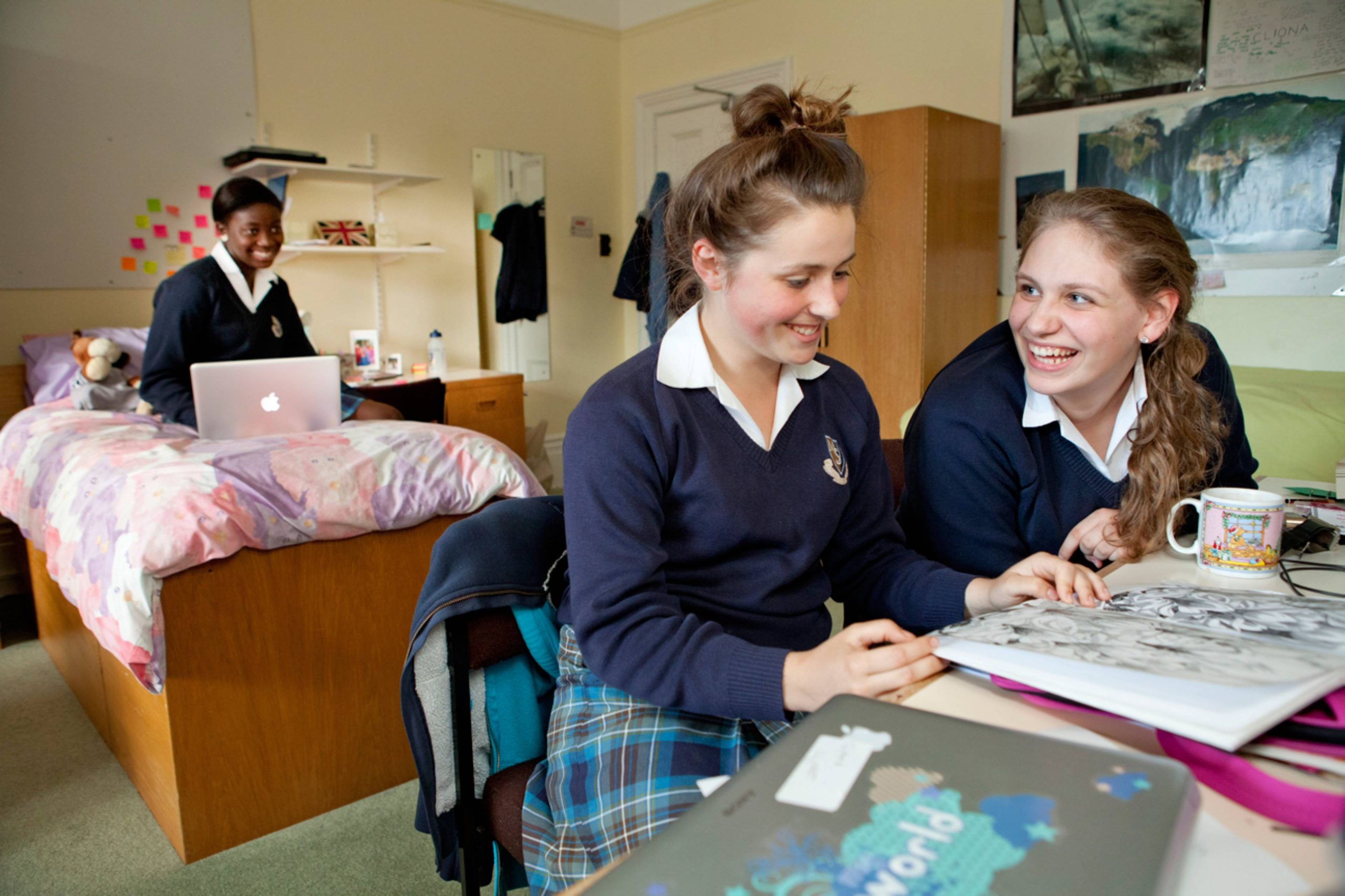
What is culture shock?
Culture shock for international students is the feeling of disorientation that can occur when adapting to a new country and culture.
In the UK, students may notice differences in:
- humour and social interactions
- school traditions
- meal times and food
- weather
- classroom expectations
- communication styles
- independence and personal responsibility.
At first, everything can feel exciting. Later, the differences may become frustrating or exhausting. This is a normal part of the adjustment process.
For students: what you can do
Give yourself time
One of the biggest mistakes students make is expecting to feel settled immediately. Adjusting to a new country takes time. You are not expected to feel at home within a few days.
Try not to compare yourself with other students. Some people appear confident on the outside while privately struggling with the same feelings.
Stay connected, but not constantly
Regular contact with home is important, but spending hours each day messaging family can sometimes make it harder to become involved in your new environment.
A balanced routine of calls and messages allows you to stay connected while still giving yourself the chance to build friendships and become part of boarding school life.
Get involved
The fastest way to reduce homesickness is often to become busy.
Join a sports team, music group, drama production, club or boarding house activity. Shared experiences create natural opportunities for friendship and belonging.
Talk to someone
You do not have to cope alone.
Speak to your houseparent, tutor, guardian, teacher or a trusted friend. Boarding schools are used to supporting international students in the UK, and asking for help is a sign of strength, not weakness.

For students: what you can do
Give yourself time
One of the biggest mistakes students make is expecting to feel settled immediately. Adjusting to a new country takes time. You are not expected to feel at home within a few days.
Try not to compare yourself with other students. Some people appear confident on the outside while privately struggling with the same feelings.
Stay connected, but not constantly
Regular contact with home is important, but spending hours each day messaging family can sometimes make it harder to become involved in your new environment.
A balanced routine of calls and messages allows you to stay connected while still giving yourself the chance to build friendships and become part of boarding school life.
Get involved
The fastest way to reduce homesickness is often to become busy.
Join a sports team, music group, drama production, club or boarding house activity. Shared experiences create natural opportunities for friendship and belonging.
Talk to someone
You do not have to cope alone.
Speak to your houseparent, tutor, guardian, teacher or a trusted friend. Boarding schools are used to supporting international students in the UK, and asking for help is a sign of strength, not weakness.
For parents: how to help
Listen before solving
When your child calls upset, your first instinct may be to fix the problem immediately.
Instead, listen carefully and acknowledge their feelings.
Saying, “It sounds like today has been really difficult,” is often more helpful than immediately suggesting solutions.
Avoid making quick decisions
A difficult phone call during the first few weeks is not necessarily a sign that your child cannot cope.
Homesickness often comes in waves. Many students who desperately want to come home during the second week later become some of the happiest and most successful boarders.
Stay in communication with the school and your child’s guardian before making major decisions.
Encourage independence
It can be tempting to contact your child constantly, but allowing them to solve small problems independently is an important part of their personal growth.
Your confidence in them can become one of their greatest sources of strength.

For parents: how to help
Listen before solving
When your child calls upset, your first instinct may be to fix the problem immediately.
Instead, listen carefully and acknowledge their feelings.
Saying, “It sounds like today has been really difficult,” is often more helpful than immediately suggesting solutions.
Avoid making quick decisions
A difficult phone call during the first few weeks is not necessarily a sign that your child cannot cope.
Homesickness often comes in waves. Many students who desperately want to come home during the second week later become some of the happiest and most successful boarders.
Stay in communication with the school and your child’s guardian before making major decisions.
Encourage independence
It can be tempting to contact your child constantly, but allowing them to solve small problems independently is an important part of their personal growth.
Your confidence in them can become one of their greatest sources of strength.
Signs that extra support may be needed
While homesickness is normal, additional support may be helpful if a student is experiencing:
- persistent withdrawal from others
- refusal to attend lessons
- significant changes in eating or sleeping
- ongoing distress that does not improve
- severe anxiety or low mood.
In these situations, parents should work closely with the school and the educational guardian to ensure the student receives appropriate support.
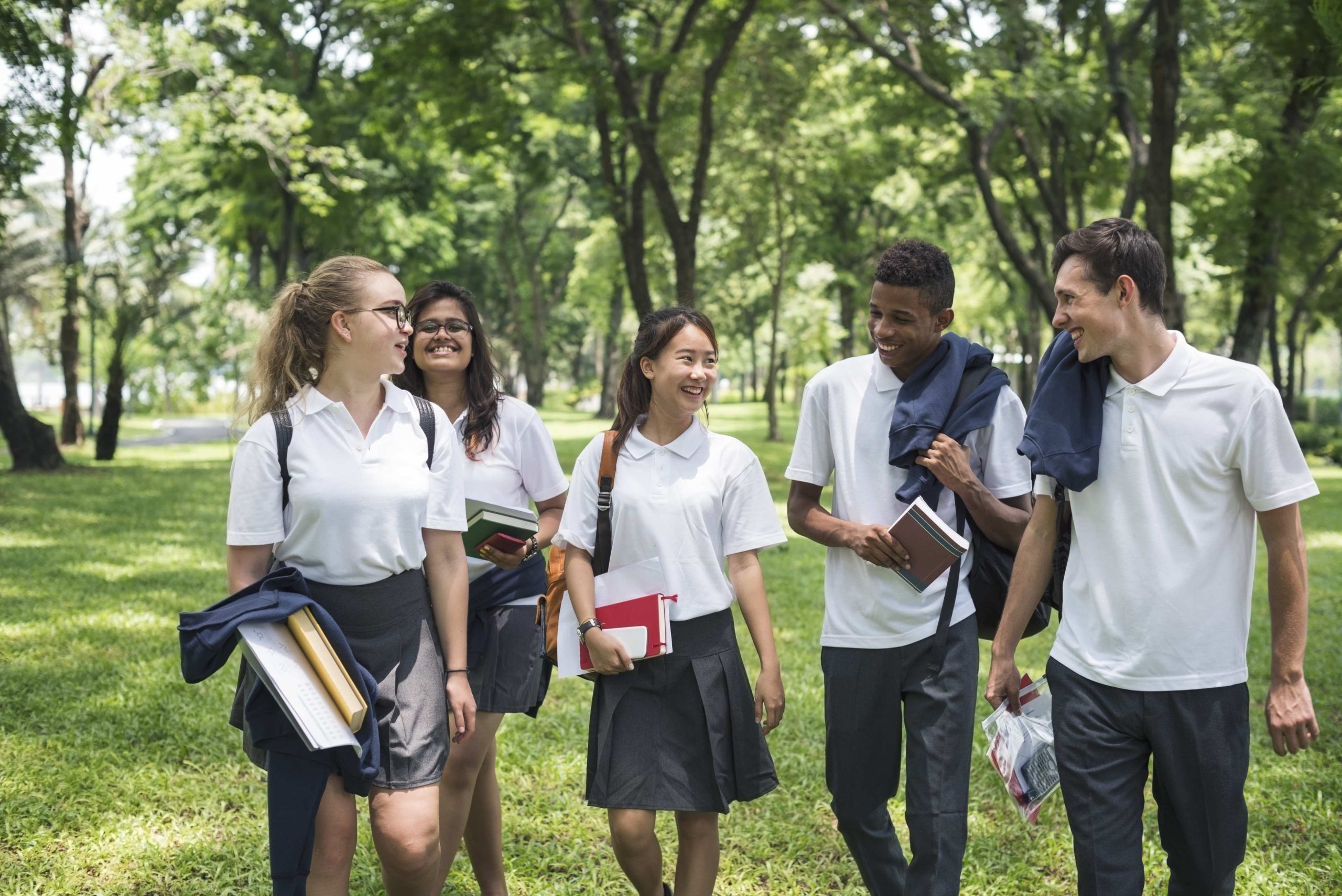
Signs that extra support may be needed
While homesickness is normal, additional support may be helpful if a student is experiencing:
- persistent withdrawal from others
- refusal to attend lessons
- significant changes in eating or sleeping
- ongoing distress that does not improve
- severe anxiety or low mood.
In these situations, parents should work closely with the school and the educational guardian to ensure the student receives appropriate support.
The adjustment curve
Most international students experience a similar pattern. First comes excitement, then a period of challenge, followed by gradual adjustment and increasing confidence. The key is understanding that difficult days are part of the journey, not evidence of failure.
Many students who initially struggle with homesickness at UK boarding school later describe the experience as one of the most important periods of their lives. They develop resilience, independence, cross-cultural understanding and friendships that often last for years.
A message to students
If you are feeling homesick today, remember this: you do not need to feel happy all the time to be doing well. Missing home means that home is important to you. It does not mean that you cannot also build a wonderful life here. Take one day at a time, stay open to new experiences and ask for support when you need it.
And to parents: your child may be growing in ways that are not always visible from a distance. With patience, encouragement and the right support network, most international students not only overcome homesickness and culture shock, they emerge from the experience stronger, more confident and more independent than they ever imagined possible.
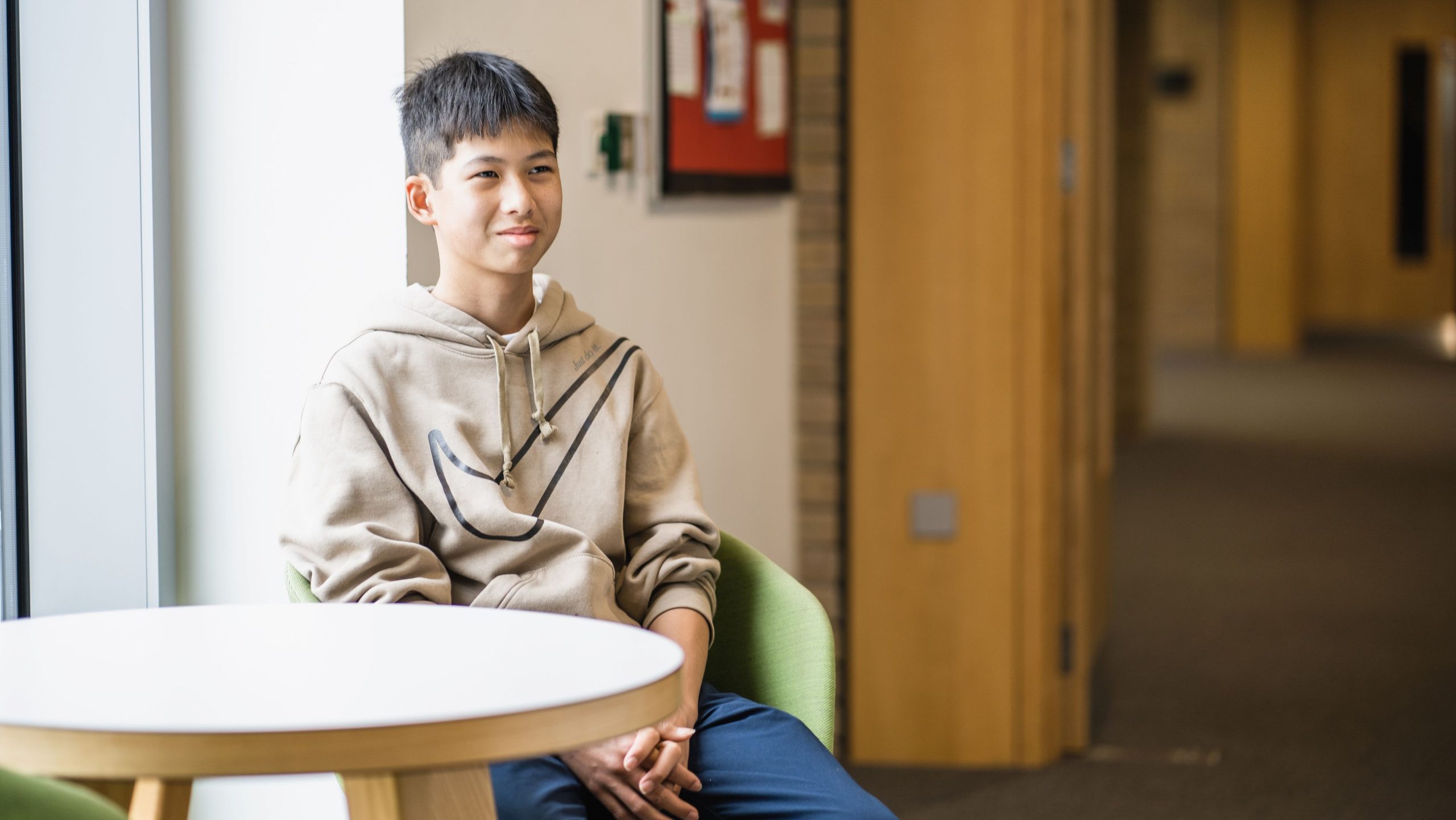
The adjustment curve
Most international students experience a similar pattern. First comes excitement, then a period of challenge, followed by gradual adjustment and increasing confidence. The key is understanding that difficult days are part of the journey, not evidence of failure.
Many students who initially struggle with homesickness at UK boarding school later describe the experience as one of the most important periods of their lives. They develop resilience, independence, cross-cultural understanding and friendships that often last for years.
A message to students
If you are feeling homesick today, remember this: you do not need to feel happy all the time to be doing well. Missing home means that home is important to you. It does not mean that you cannot also build a wonderful life here. Take one day at a time, stay open to new experiences and ask for support when you need it.
And to parents: your child may be growing in ways that are not always visible from a distance. With patience, encouragement and the right support network, most international students not only overcome homesickness and culture shock, they emerge from the experience stronger, more confident and more independent than they ever imagined possible.